Upcycled Linen Quilt
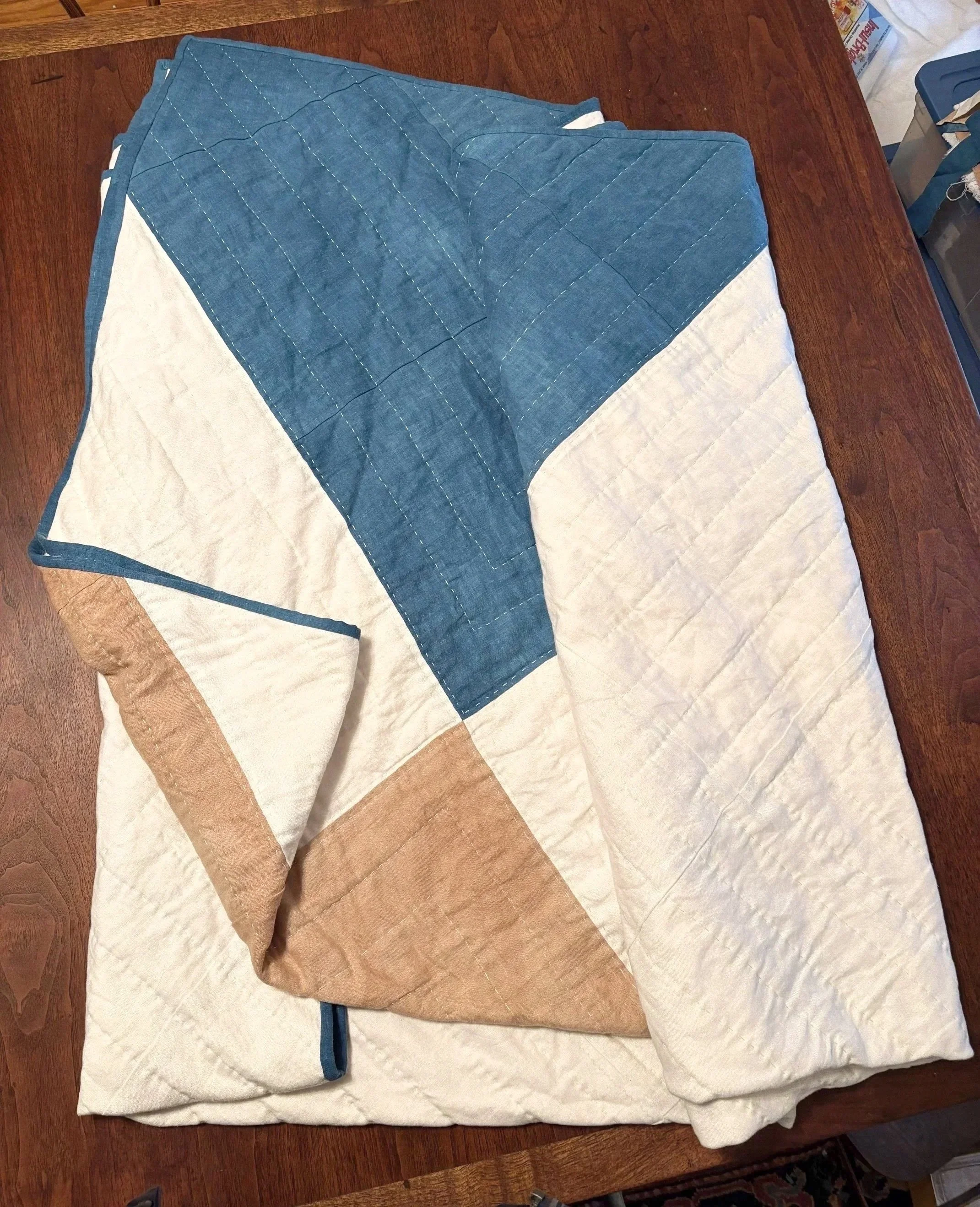
Quilt made from vintage linen tablecloth and napkin blanks
Preface: Apologies for the TLDR post, but may be helpful for someone?
20 years ago, in a galaxy far far away, I bought a huge pile of vintage Paragon linen tablecloth and napkin “blanks” at a yard sale.
(I think they’re called blanks?) I loved their quality - the heft and the silky sheen of the fabric - I wanted to make something out of them, but I didn’t have anything in mind at the time. Me, hoarding? Never!
Fast forward to 20 years later I decided to make a quilt with them! I got the idea from pinterest during wretched insomnia-filled nights when I had a corporate job. Also, my Mom and sisters all are amazing quilters, so I jumped on the bandwagon! And conveniently the napkins were square!
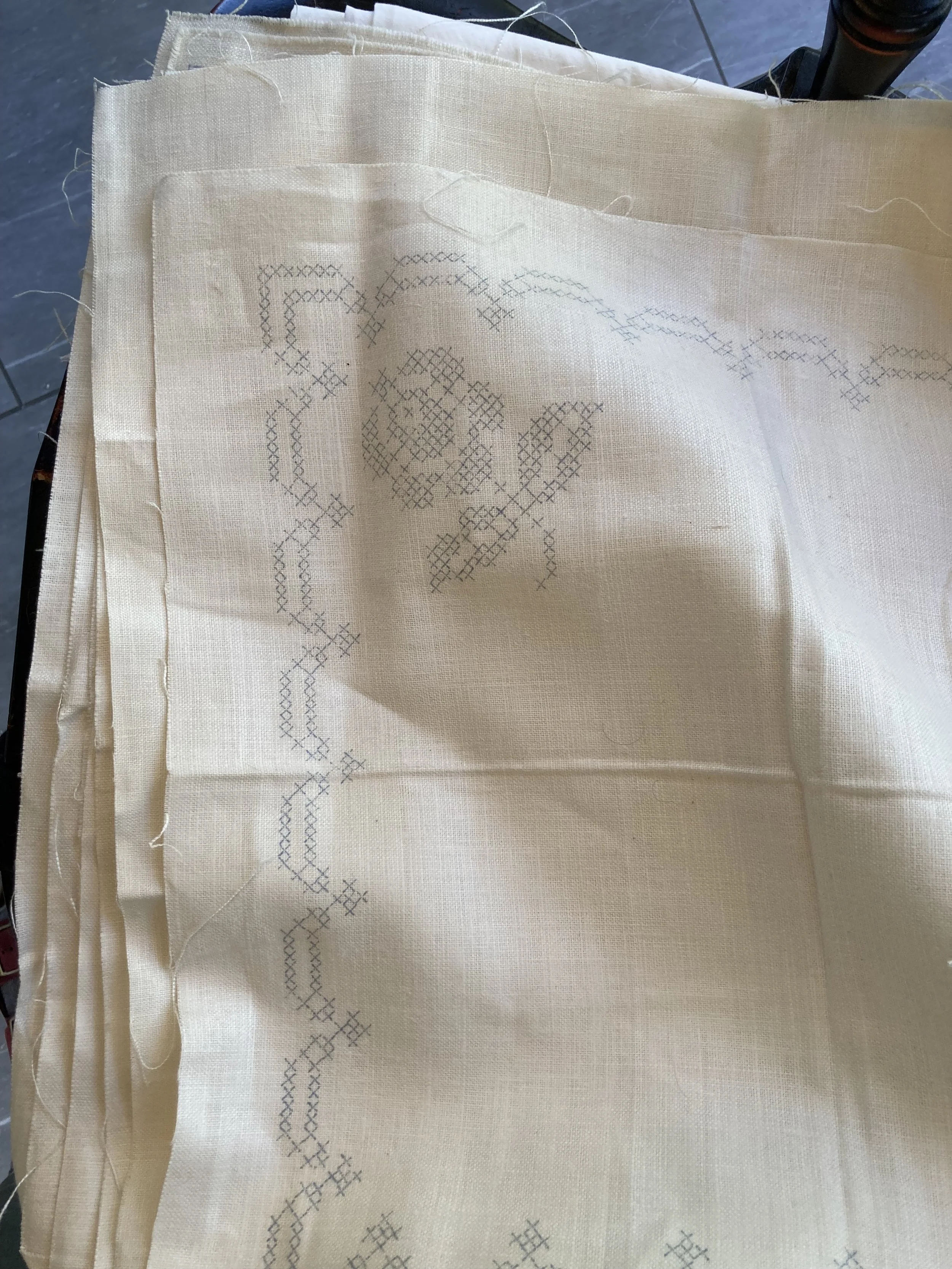
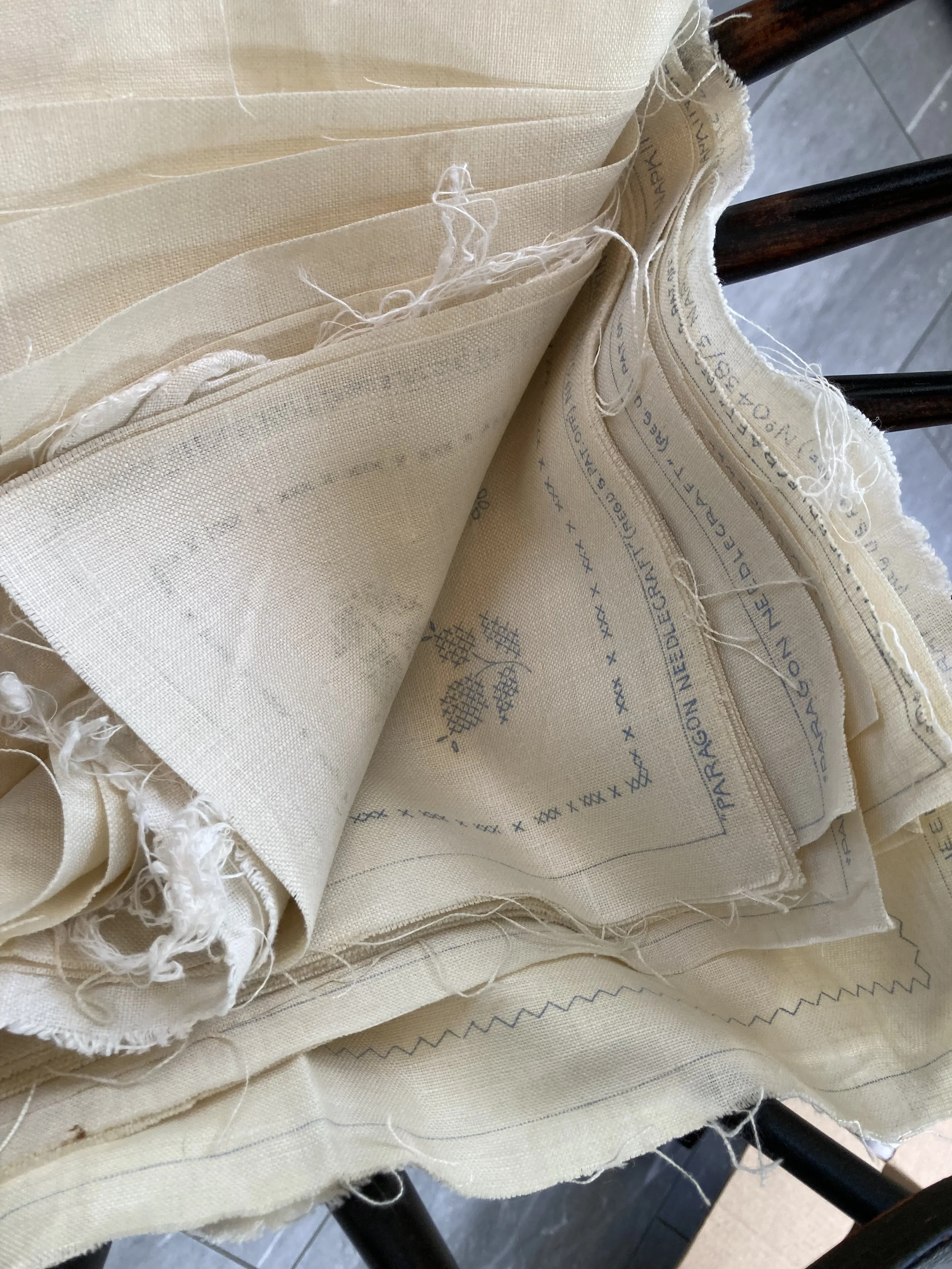
I did some sleuthing to figure out how to get the linens back to their original color and to remove the cross stitch ink - they were yellowed with age and had blue stencil patterns for embroidery.
I soaked them in Oxiclean and washed again in clean hot water in my washer, then put them in the sun - I did that more than once - maybe 3x total (in between soaking and washing I did not dry them). After that treatment and bleaching in the sun, some of the blue stencil marks remained. I I decided I didn’t mind having the ghost of those incorporated into my quilt and the aged yellowing disappeared to reveal a beautiful natural linen color.
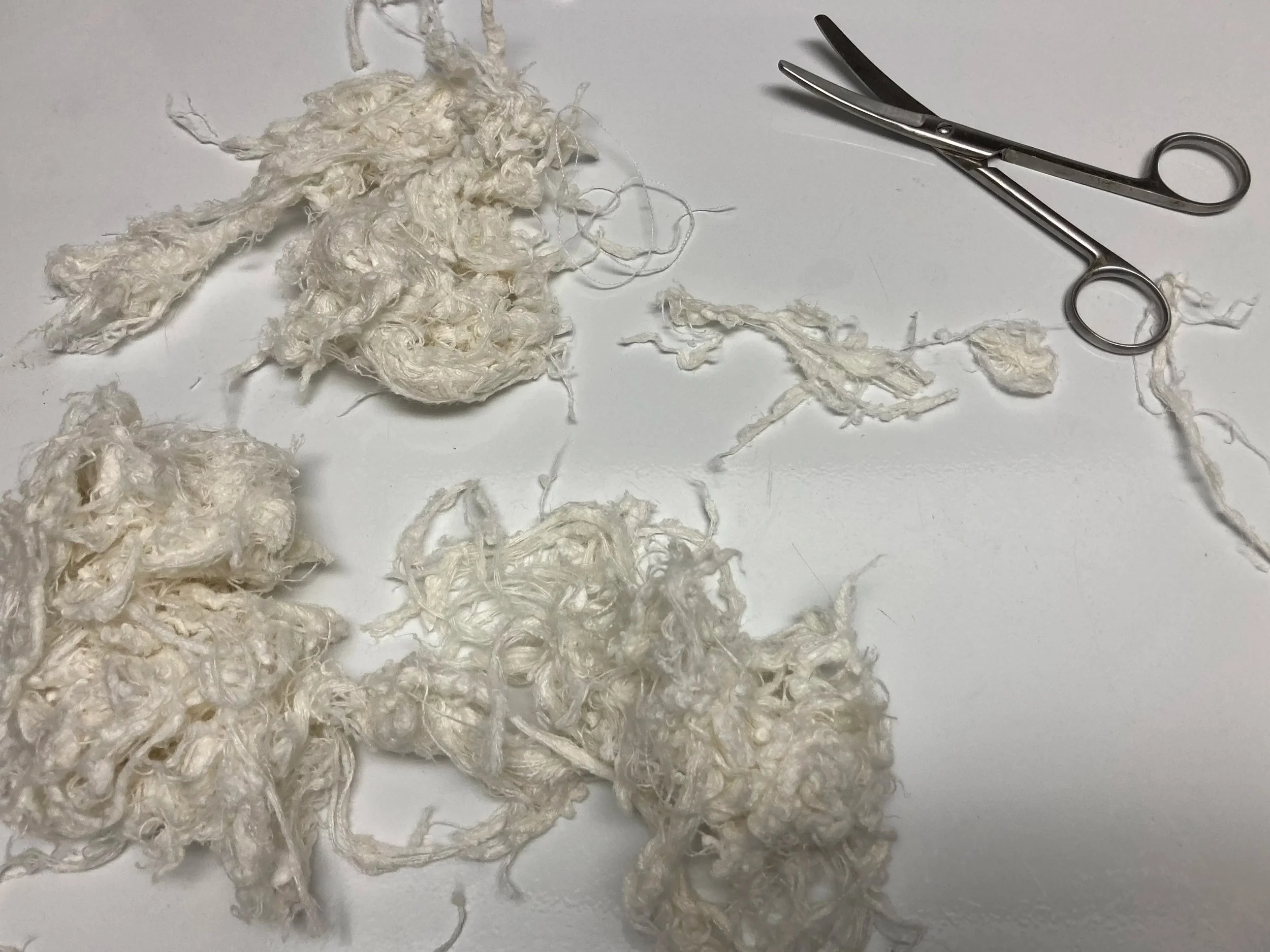
In hindsight what I should have done before washing and drying would have been to serge or overcast the edges, I had no experience dealing with raw linen. I lost about a half inch of fabric all around the pieces that didn’t have finished edges, what a tangled mess… now I wish I had kept the tangle to make a sculpture or something…
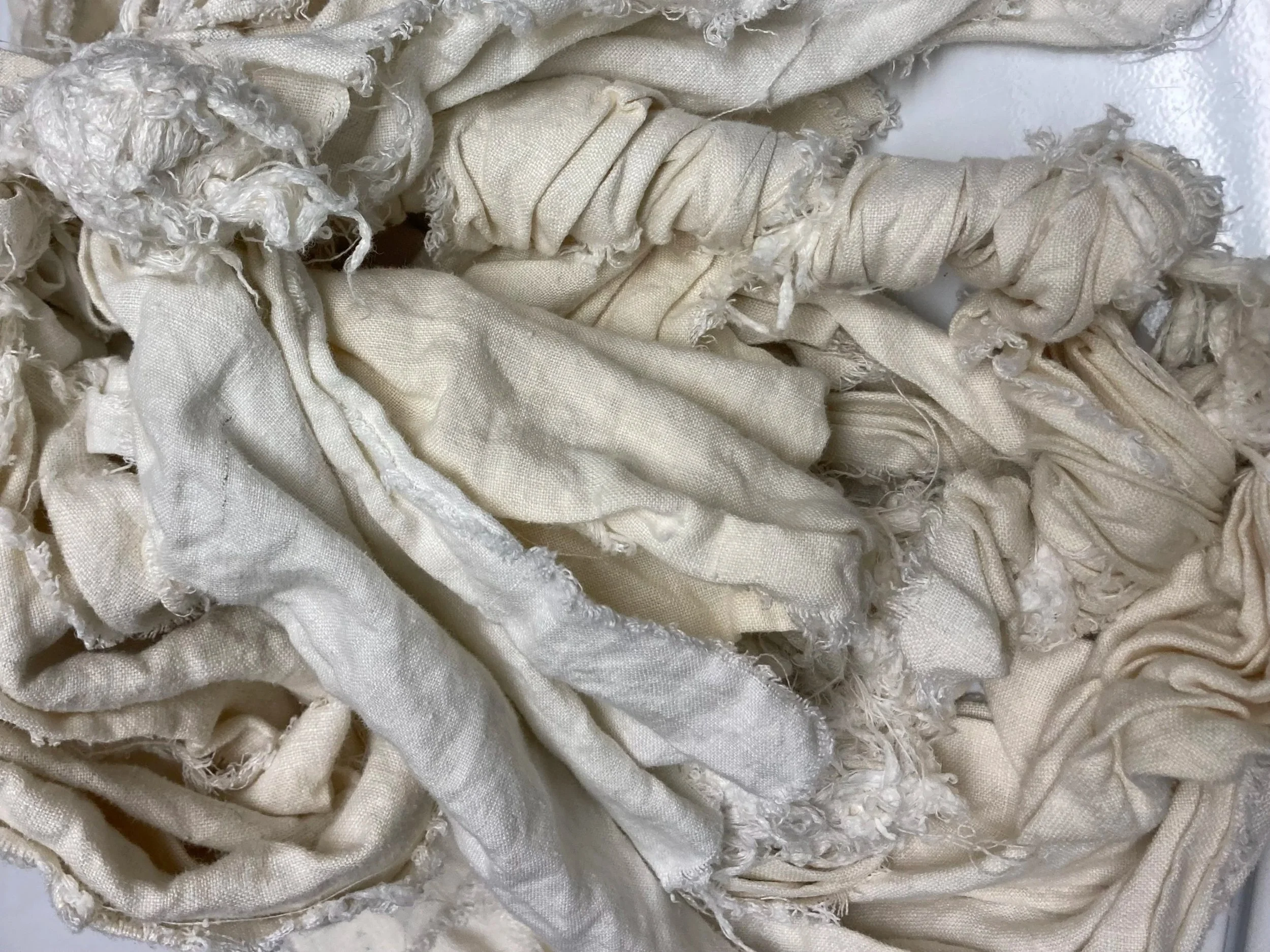
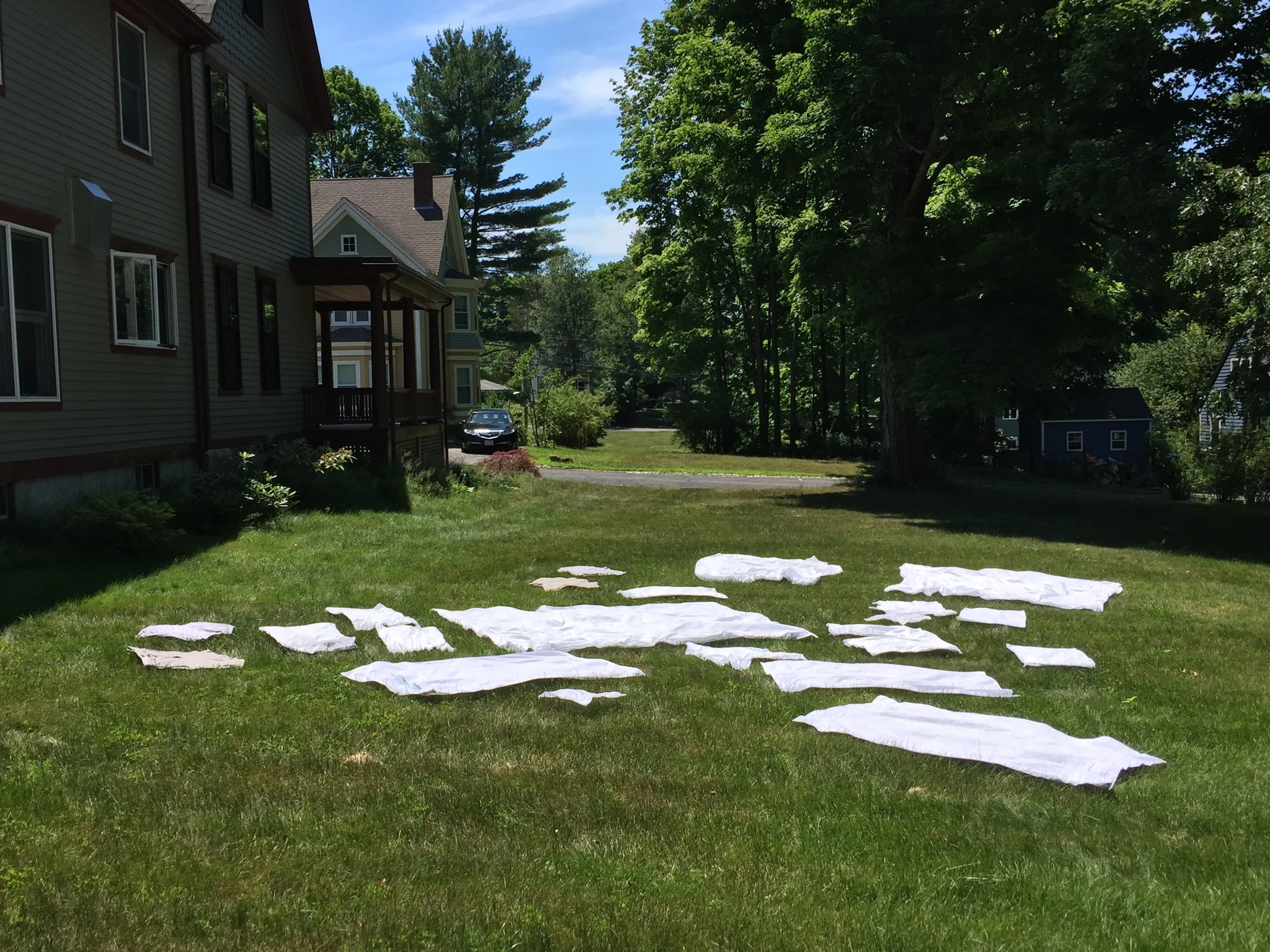
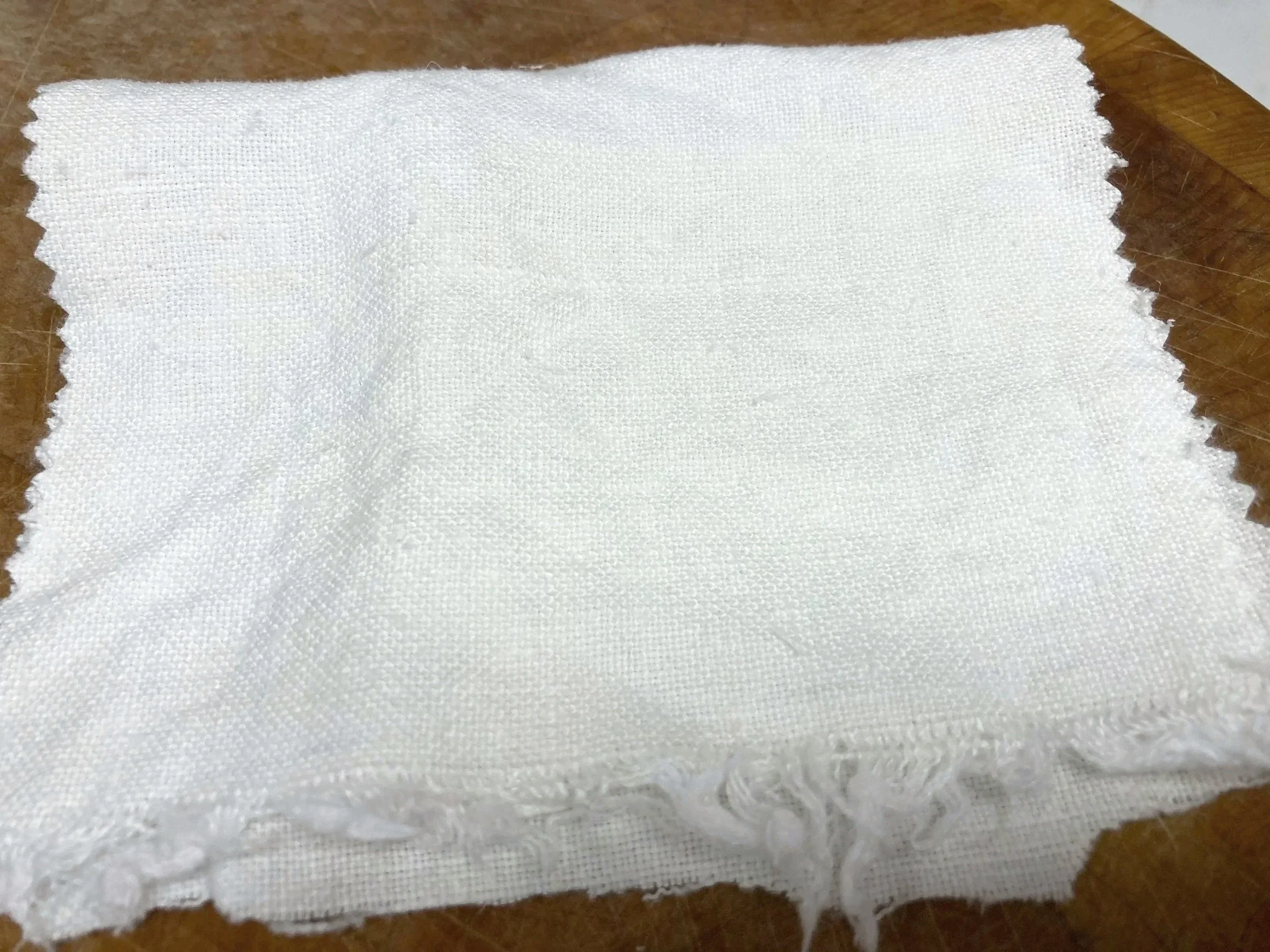
I laid the damp linen out on my lawn in the sun, I often do this to whiten whites, it really works! And the photo of the cleaned linen, so beautiful.
Because I wanted the quilt to be for my cabin in Maine, I wanted to incorporate blue for the sky or lake (indigo dye), and tan for the earth (black tea dye) and some of the natural linen to design a pattern whose angles mimic the modern angles of the cabin.
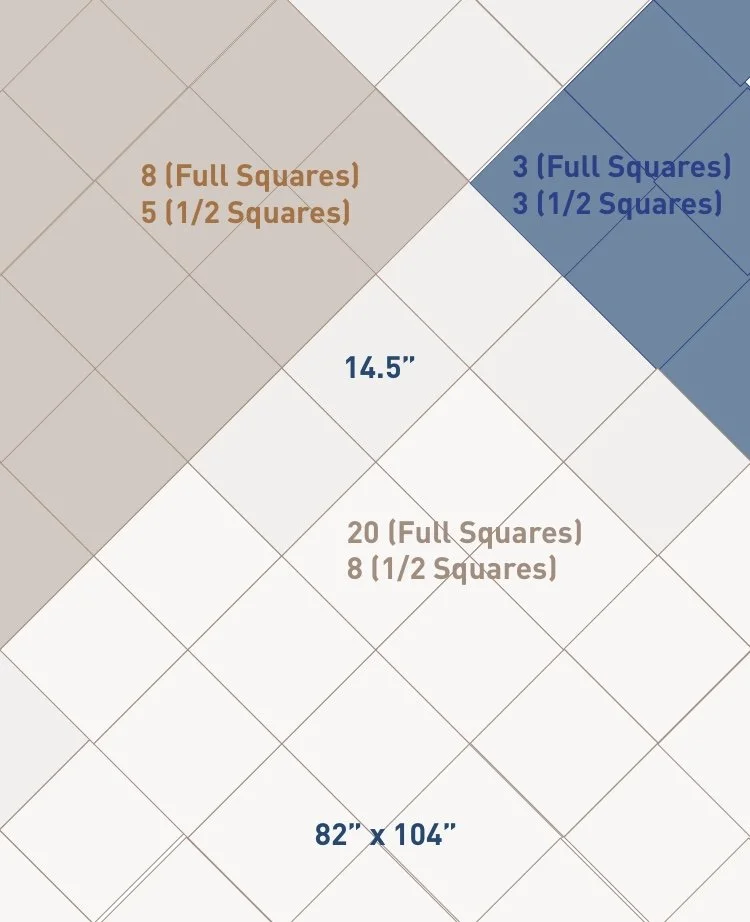
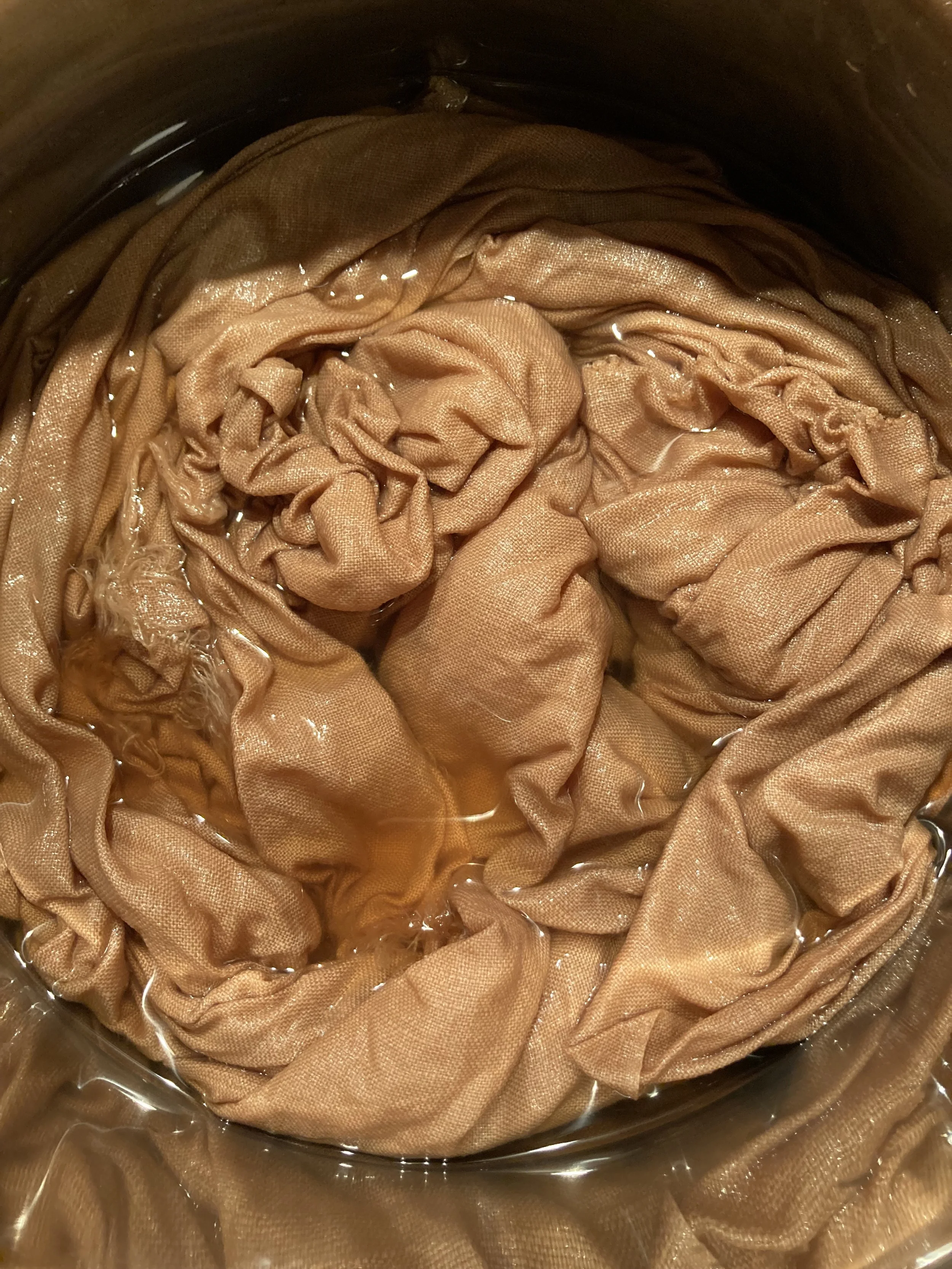
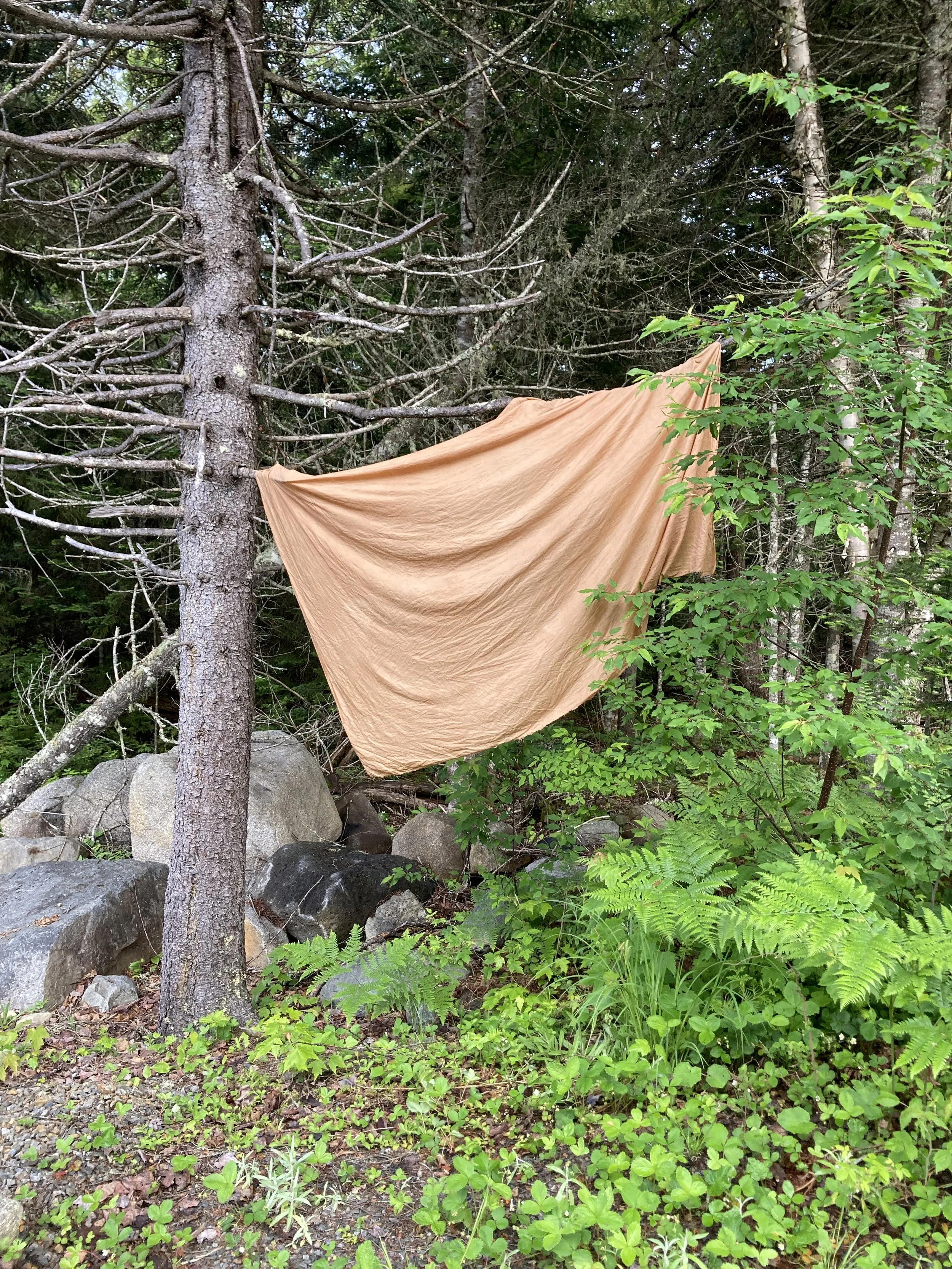
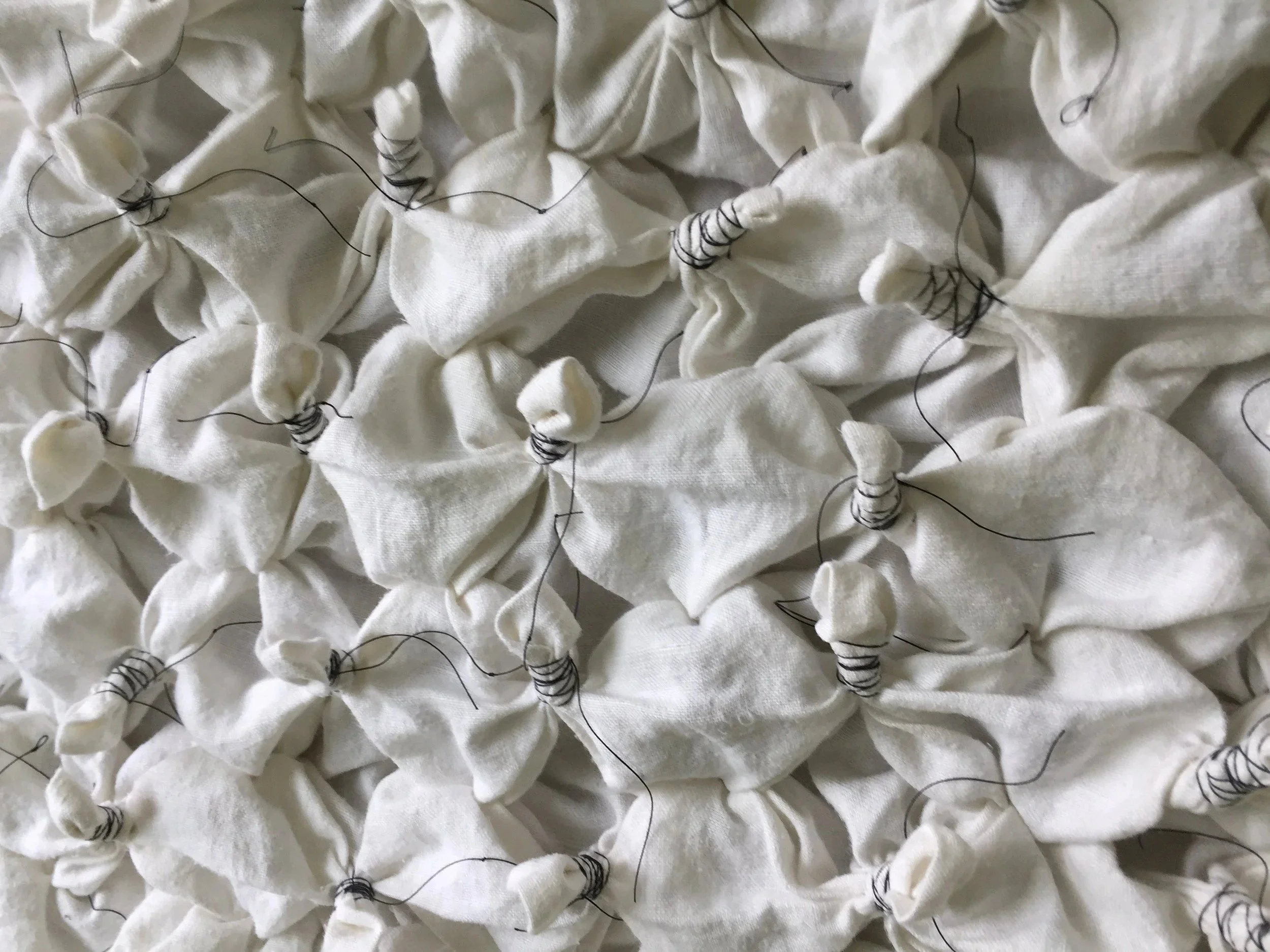
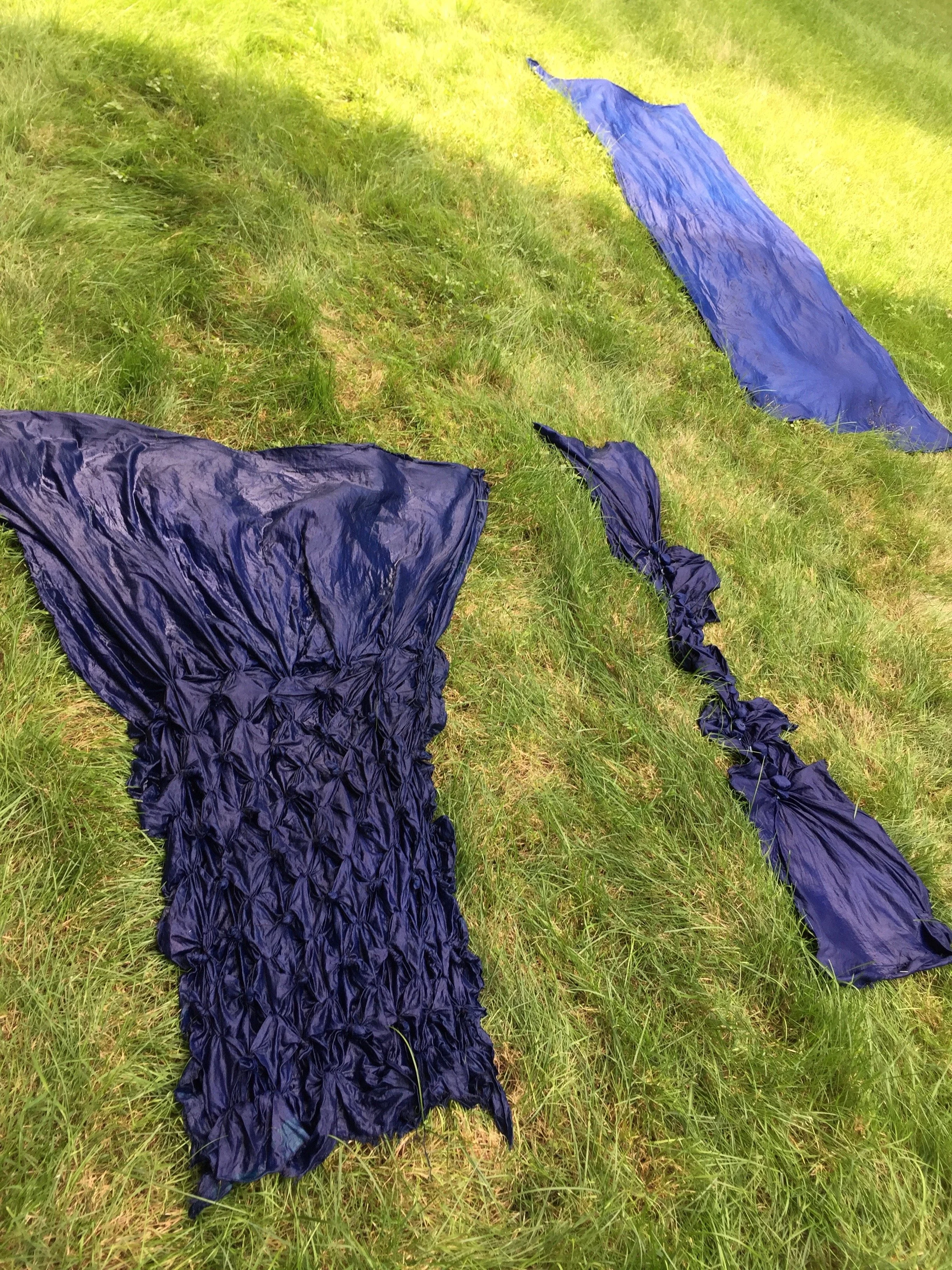
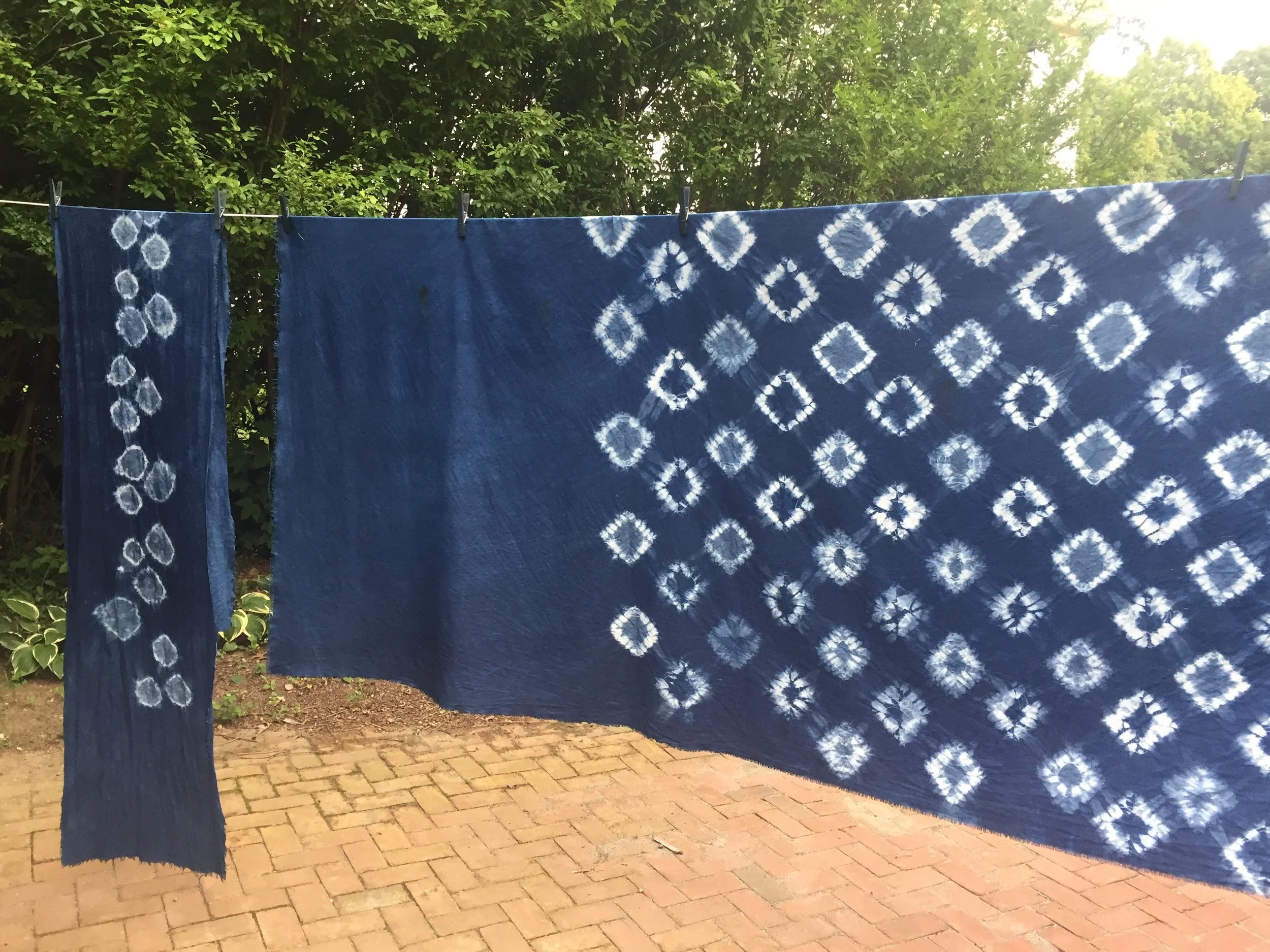
I dyed napkins and tablecloths to create the quilt squares, and I had so much extra linen I shibori dyed some in indigo for other uses (like a yukata which I haven’t made yet). You can see where I used string as a simple resist technique to make the diamond shaped shibori indigo patterns on the fabric. So fun! More on that later!
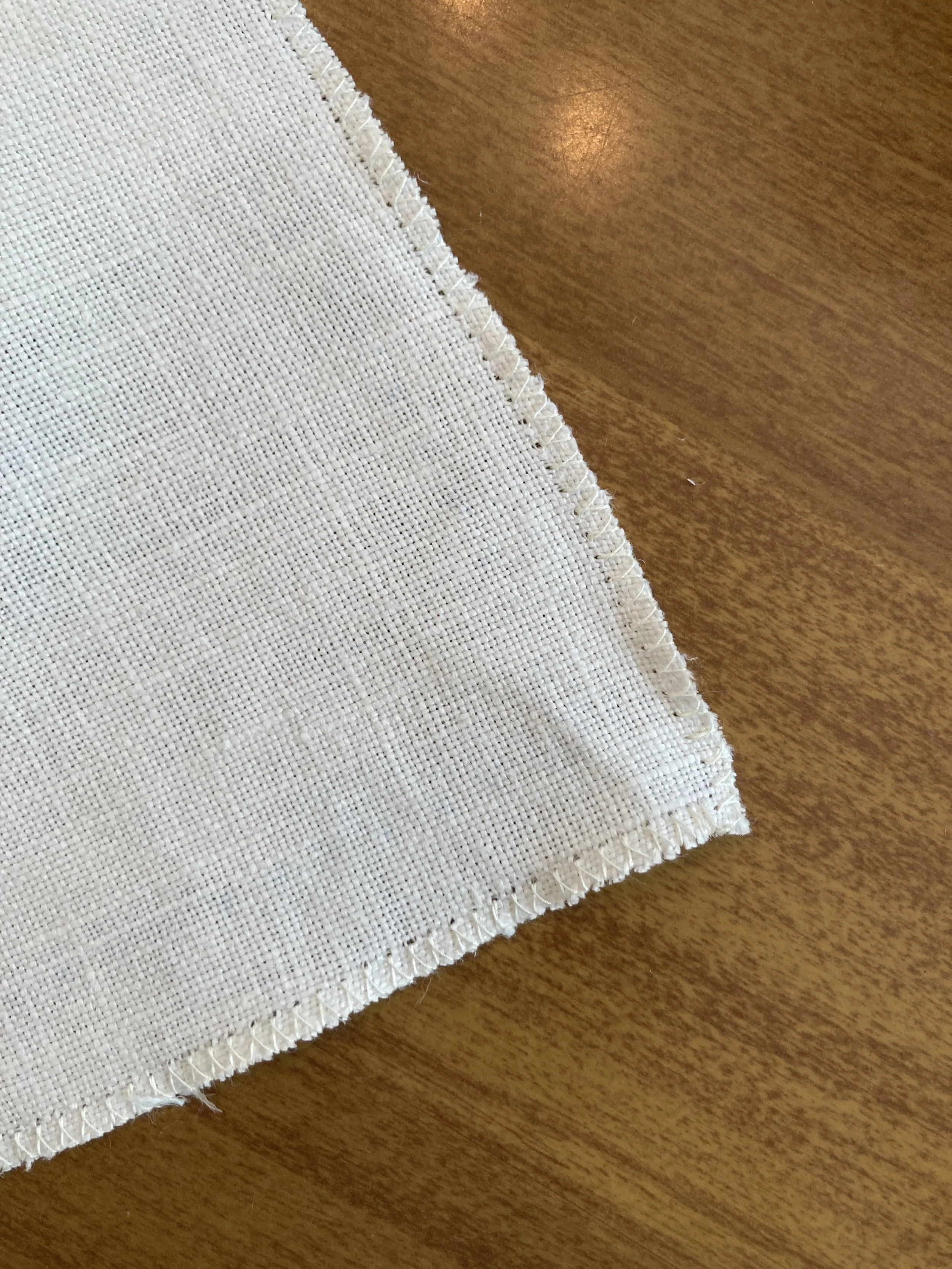
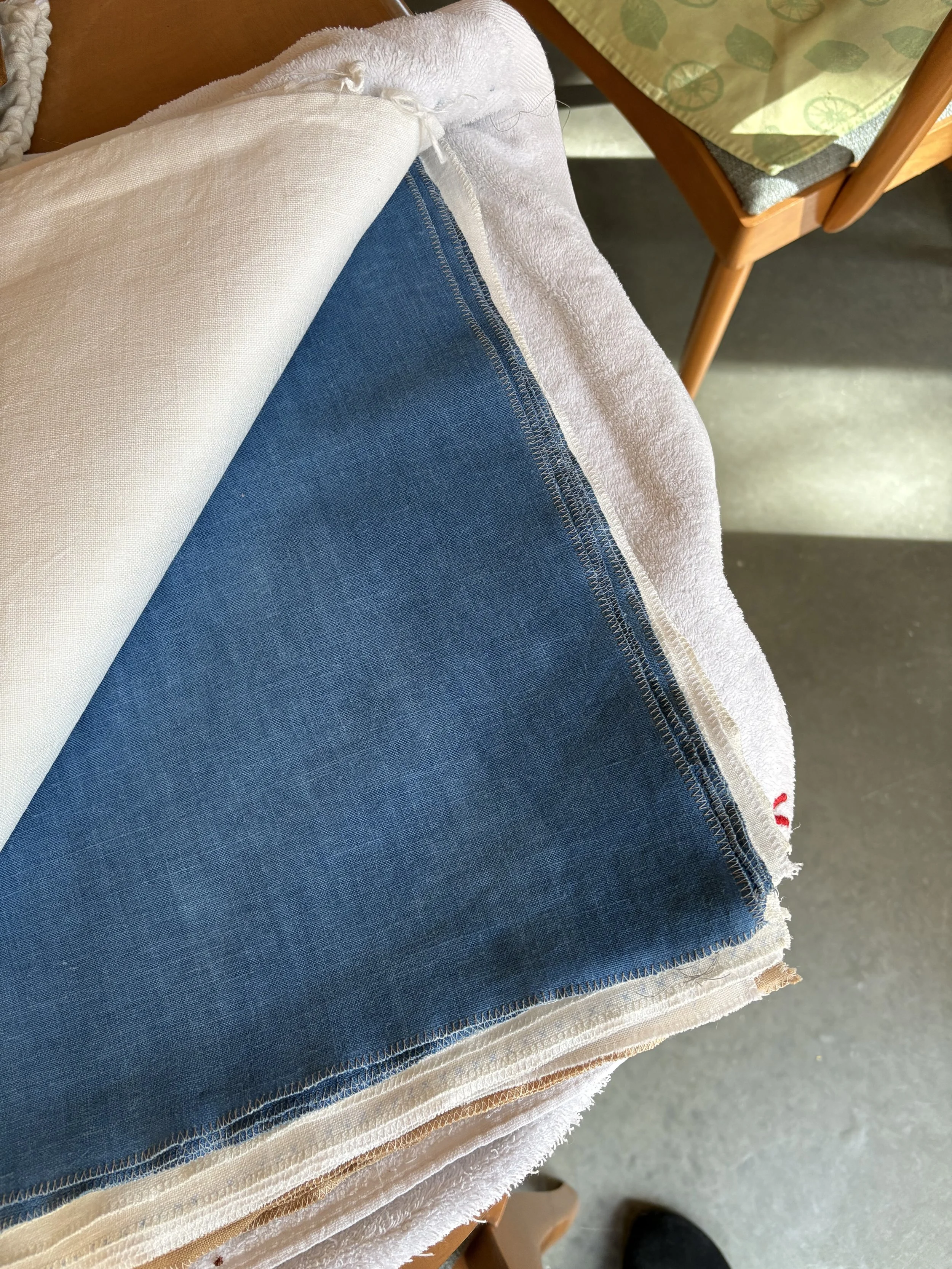
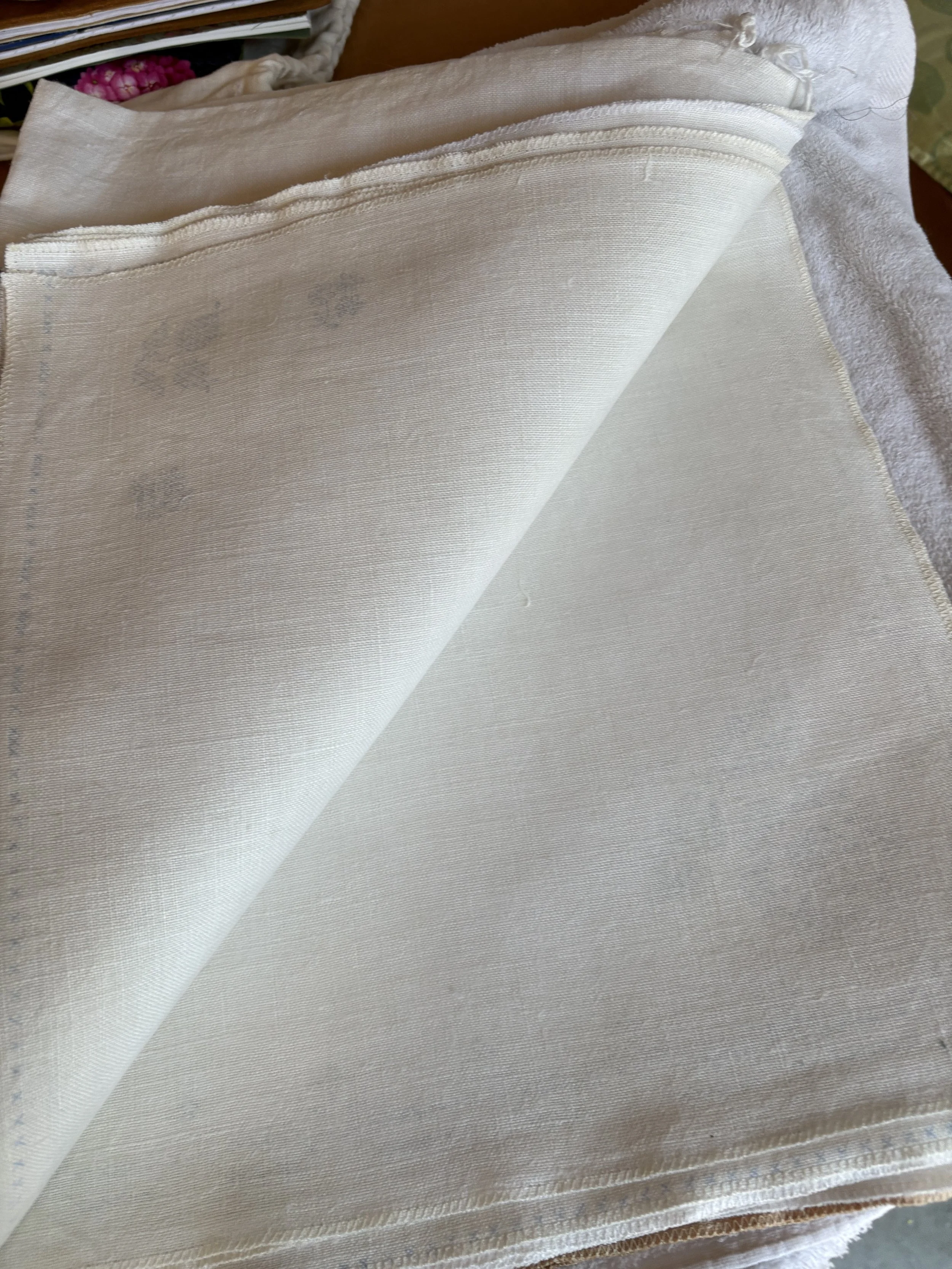
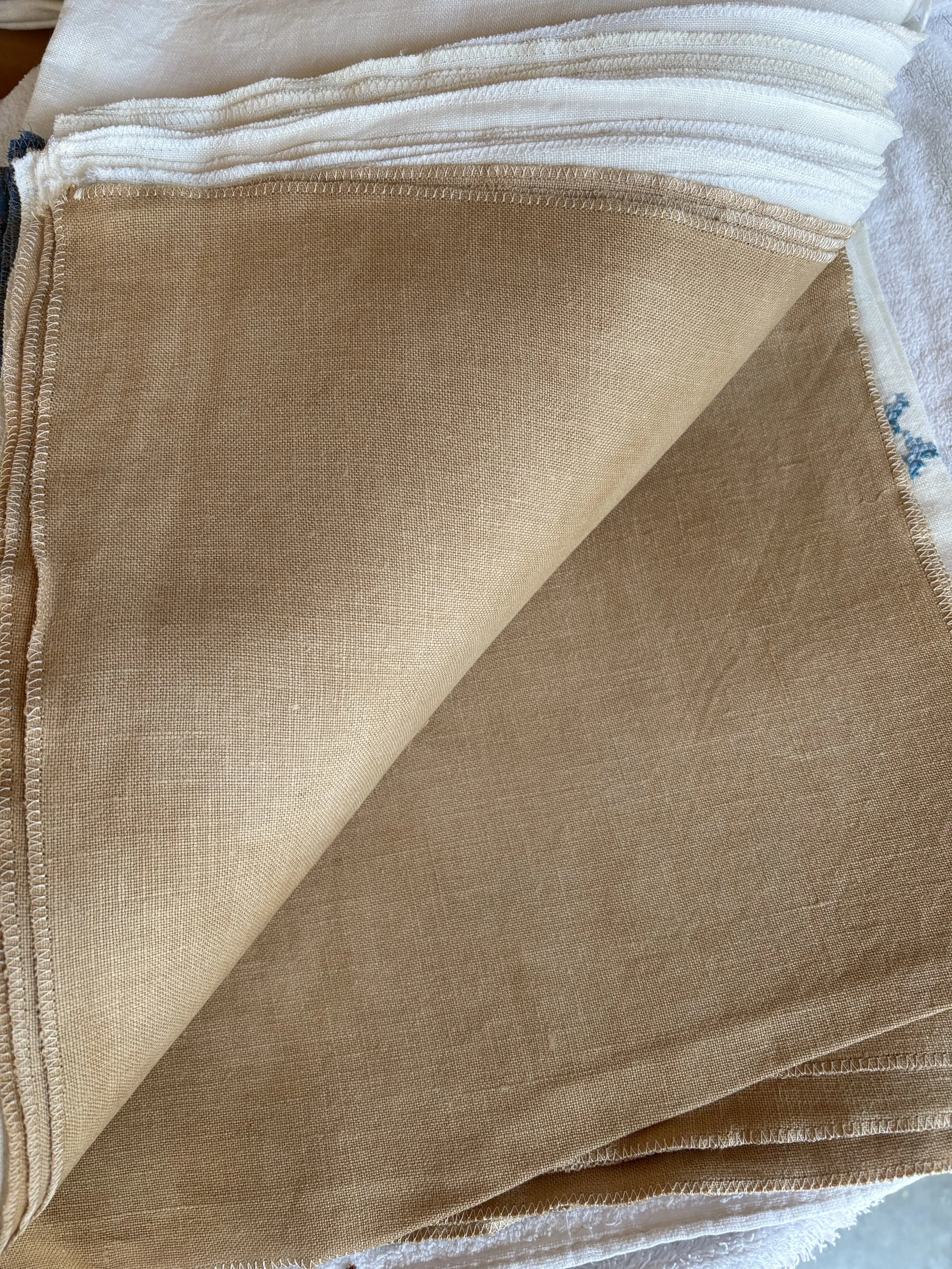
I ironed the pieces and then overcast stitched the edges of each quilt square. Linen is strong and but like I mentioned will fray when washed if there are unfinished edges. I wanted my quilt to last through washings since I have 2 Siamese that will sit on anything made of cloth or paper. I suspect I will be washing this quilt at some point. :)
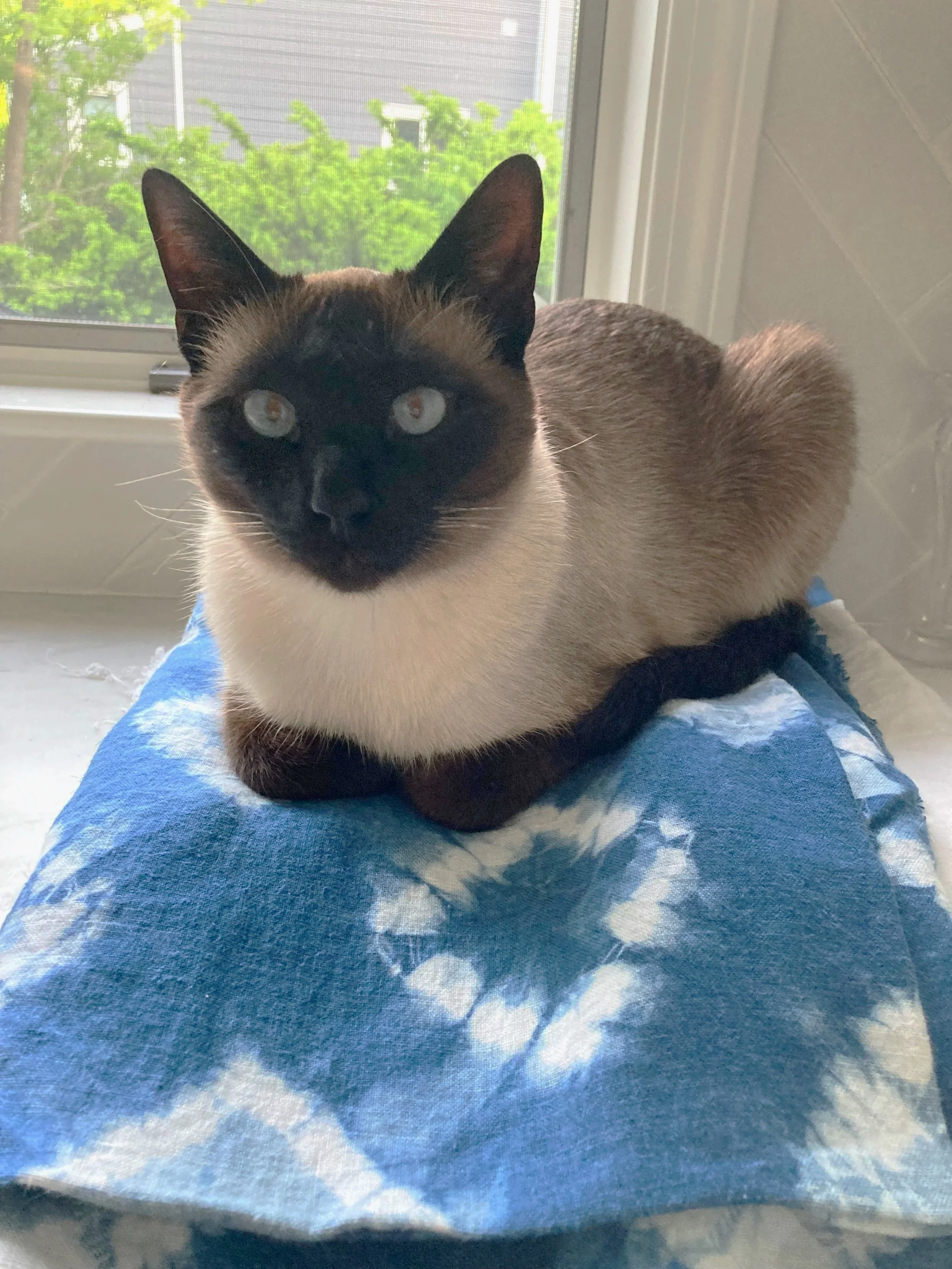
Tuco Chan on my (his) indigo-dyed shibori linen
Then came the construction, but much later. Not until I was laid off a few months ago, did I have the time and brain energy to devote to teaching myself to quilt. I learned by watching videos and reading blogs. Using linen for a quilt needs some special treatment.
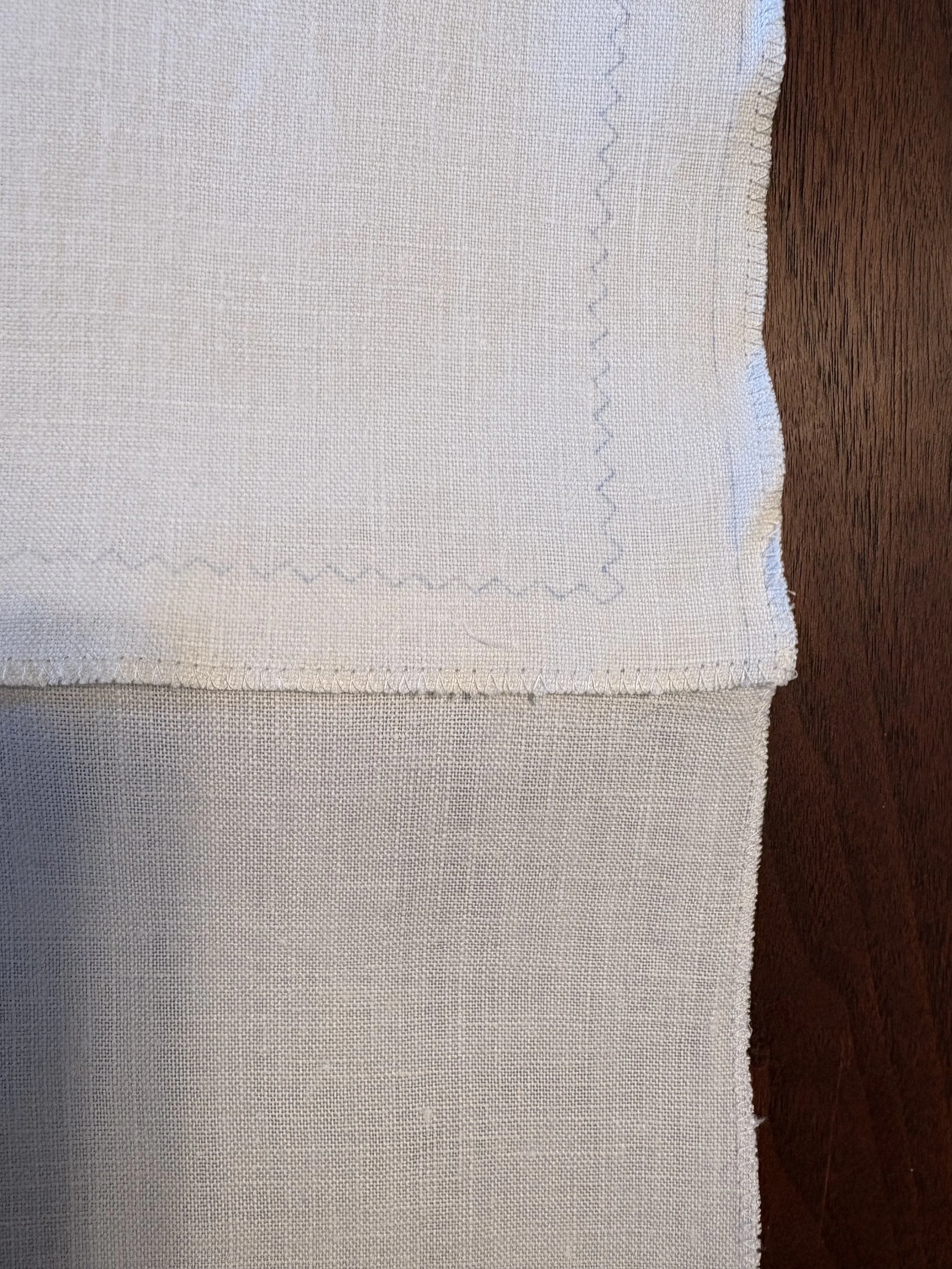
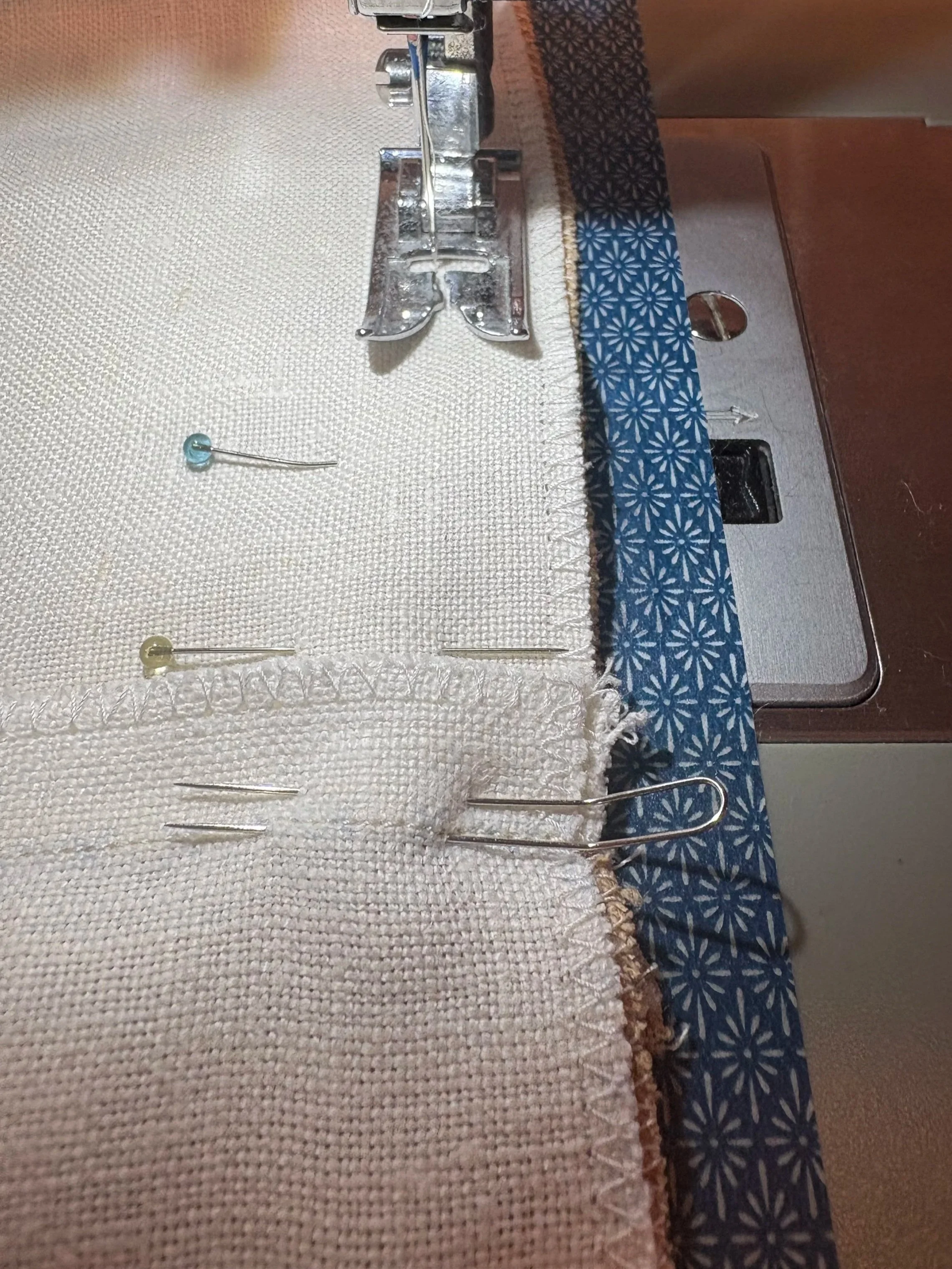
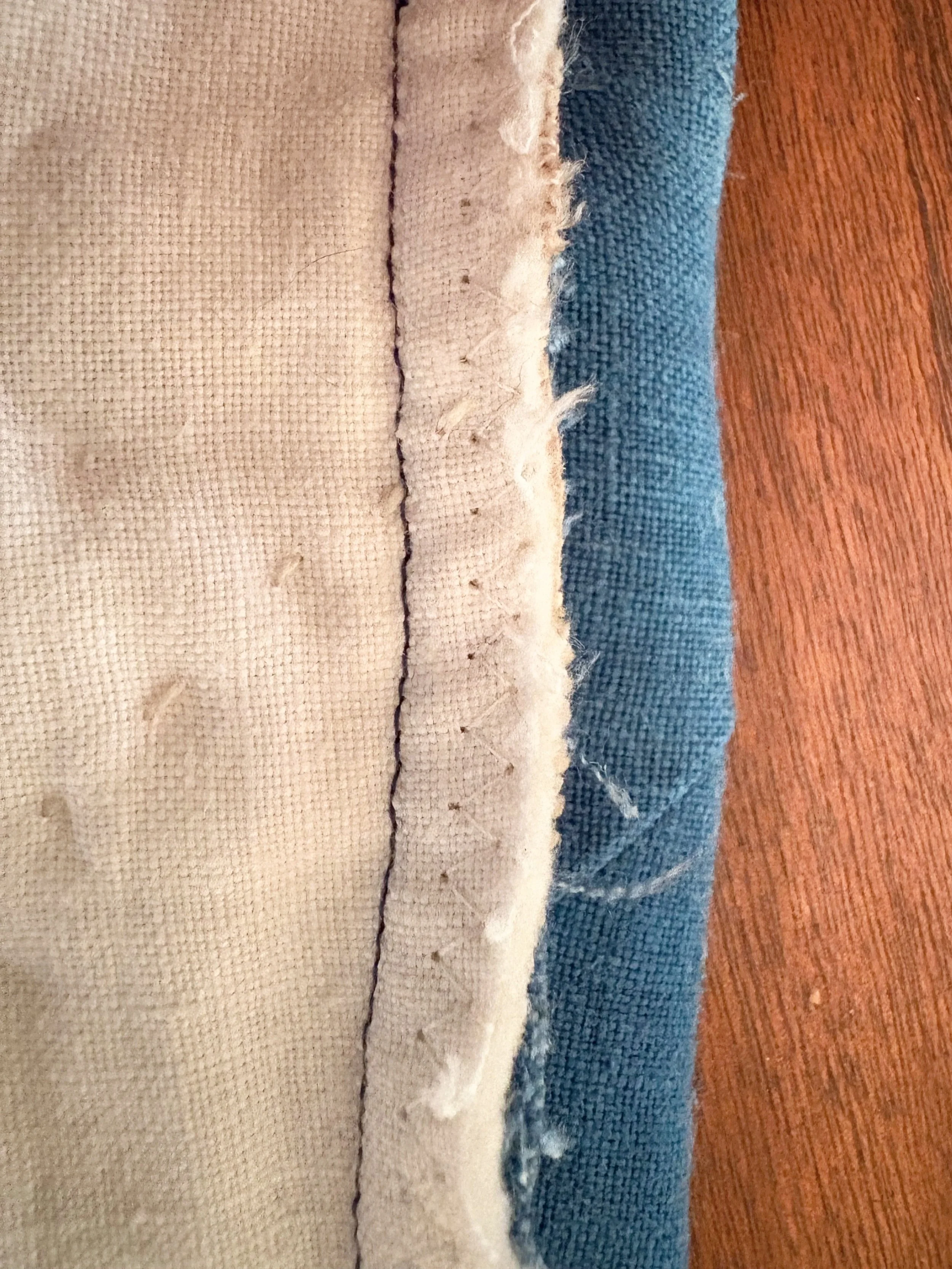
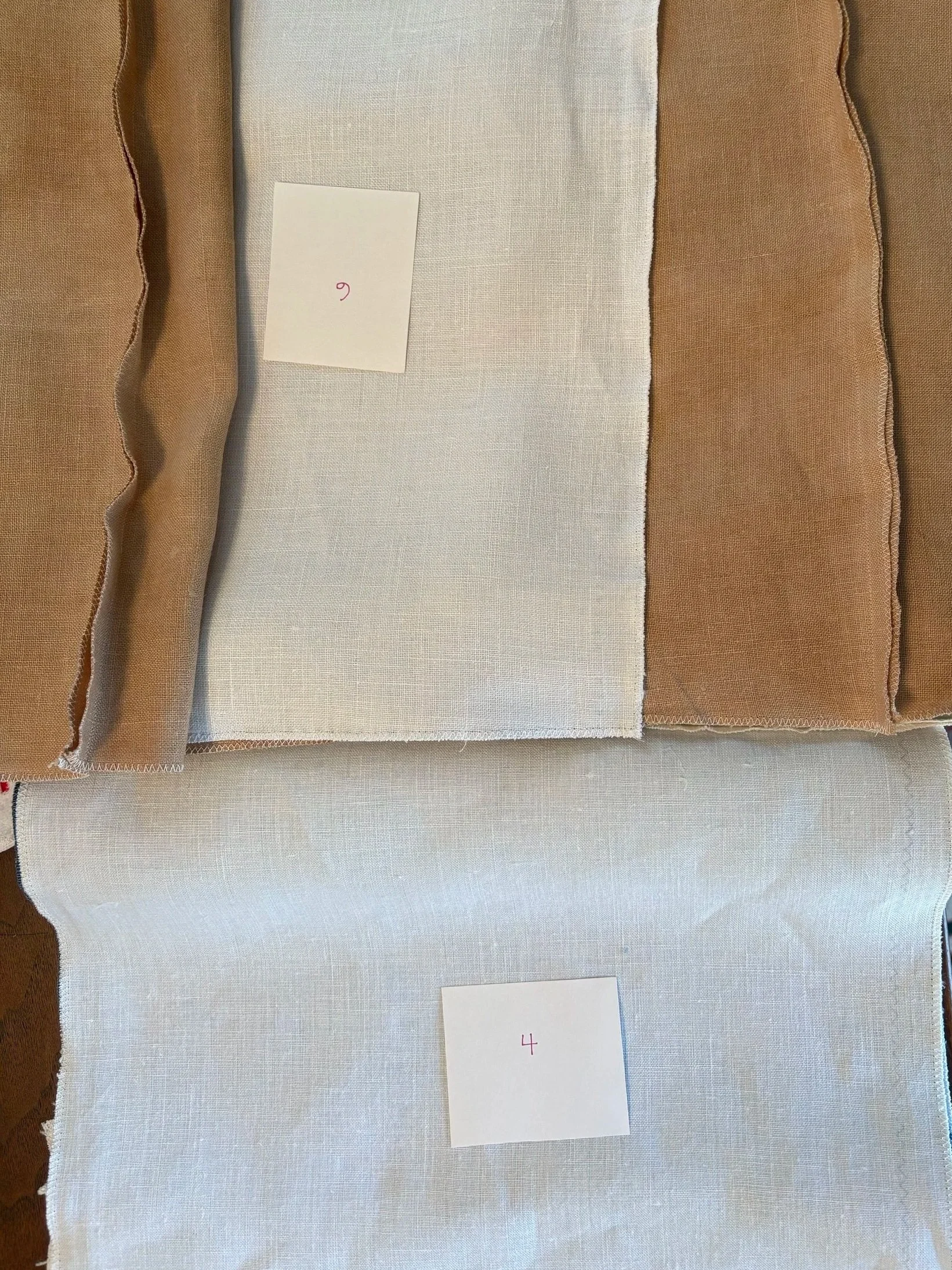
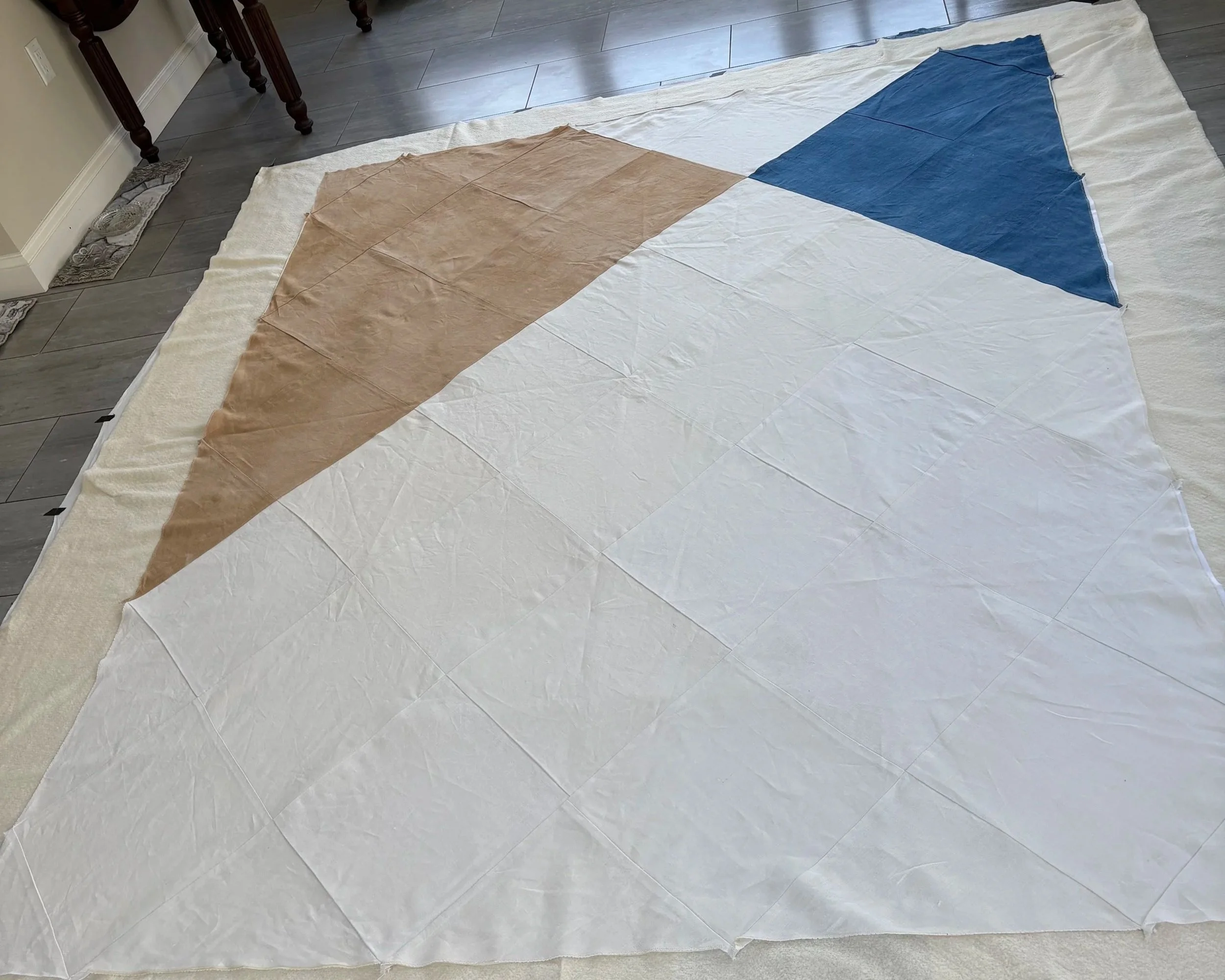
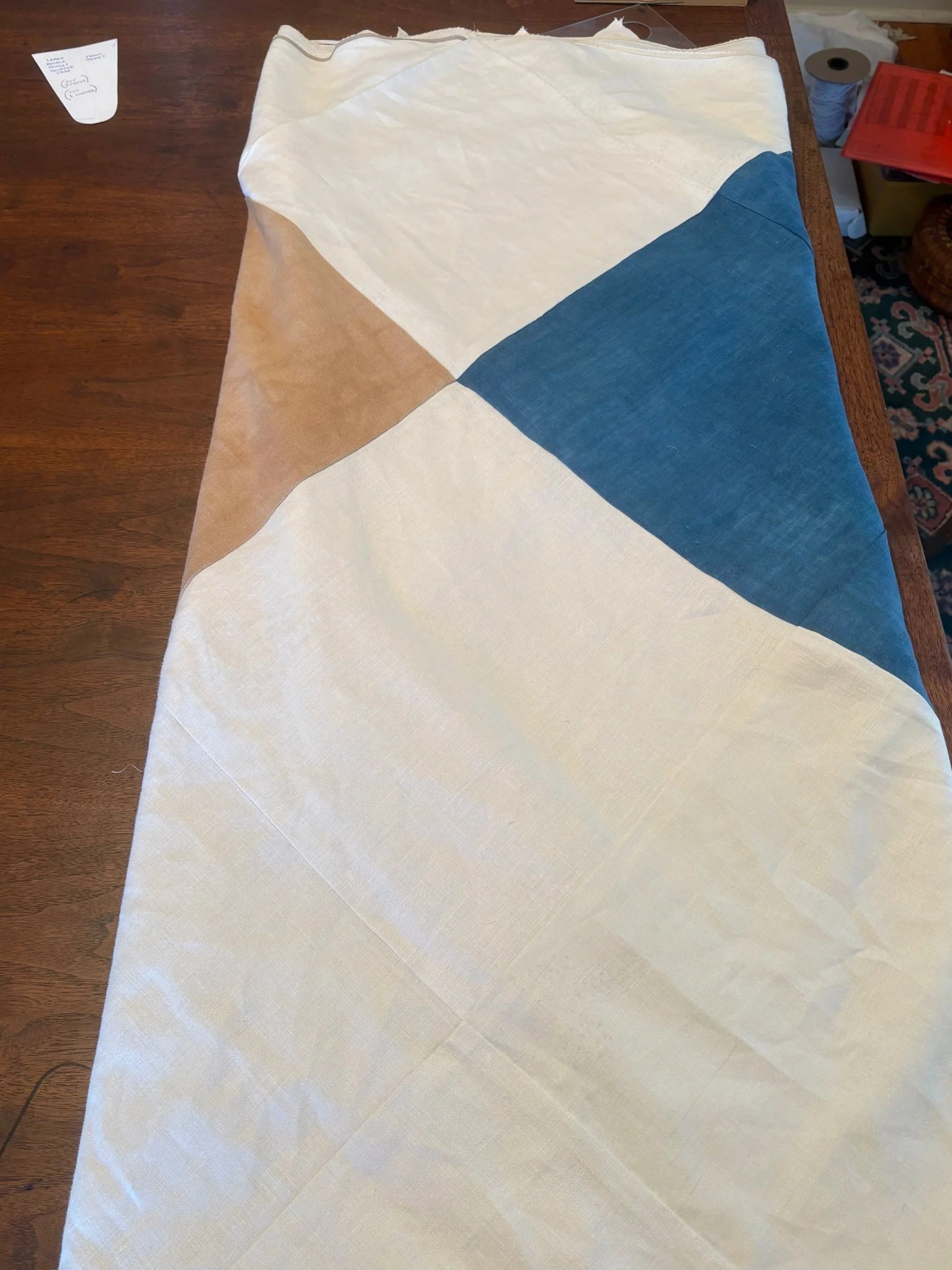
I used half-inch seam allowances and a small stitch length when I pieced the quilt together. You can see where I used washi tape on my sewing machine to keep the seam allowances consistent.
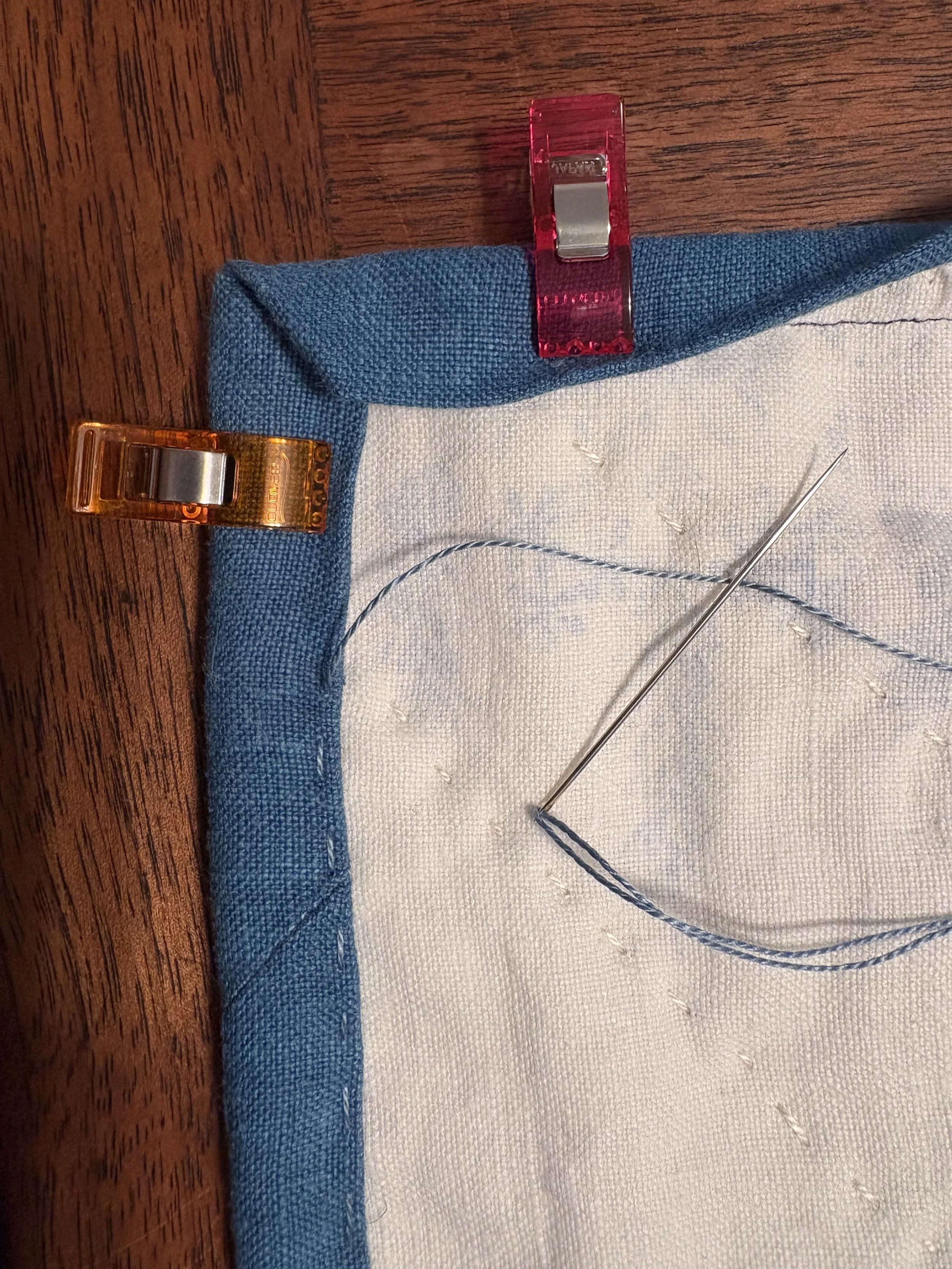
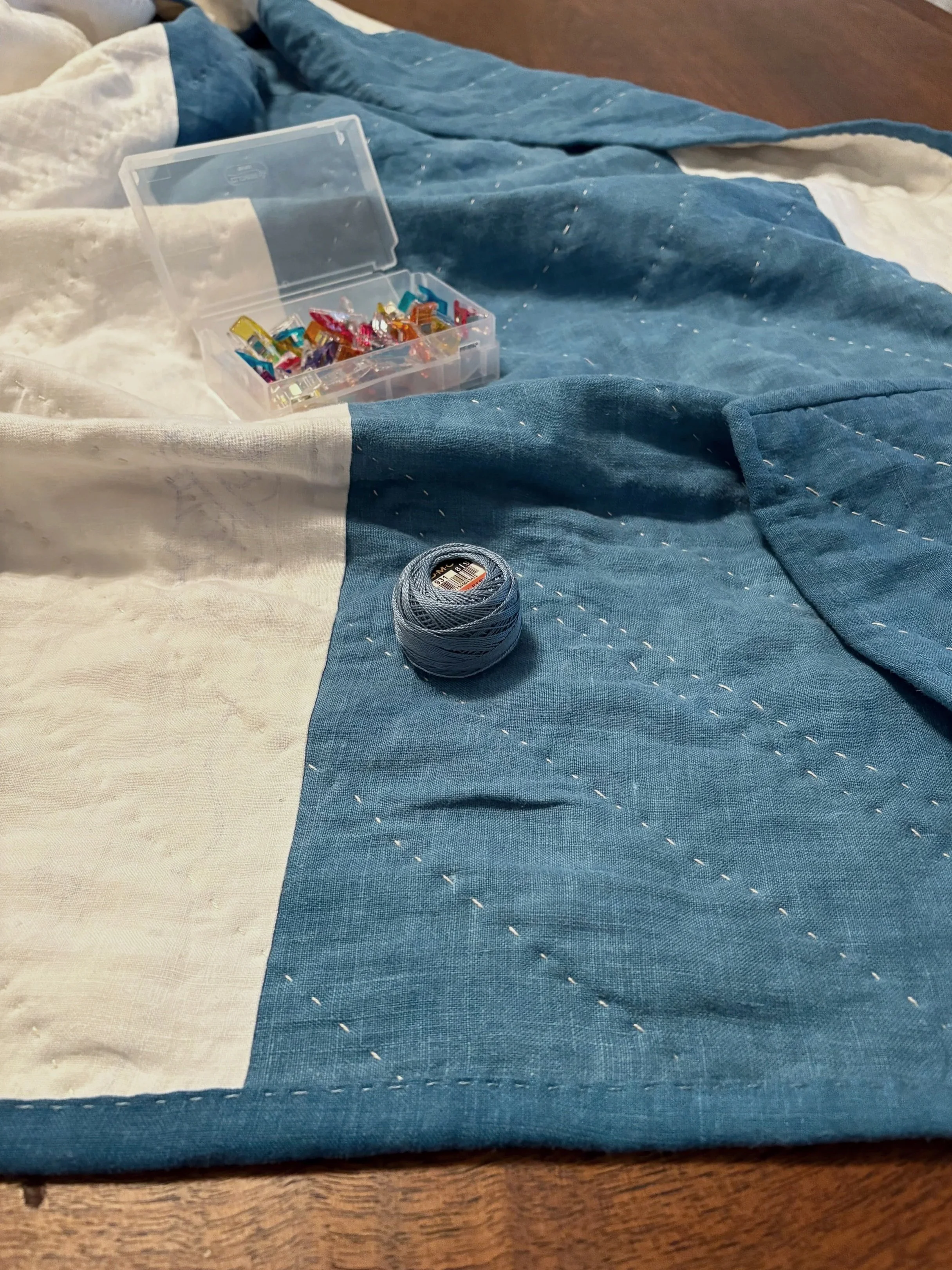
I loved the feel of the linen so much I hand quilted it - I thought it would take forever. But with big stitch hand-quilting it was really easy and only took a few weeks.
I used 100% cotton batting, and that was a breeze to stitch through. With each stitch I could feel the corporate world dissolve and me regain my confidence, creativity and silence my inner critic (wow this is so corny, but SO TRUE!). Oops, there I go again…
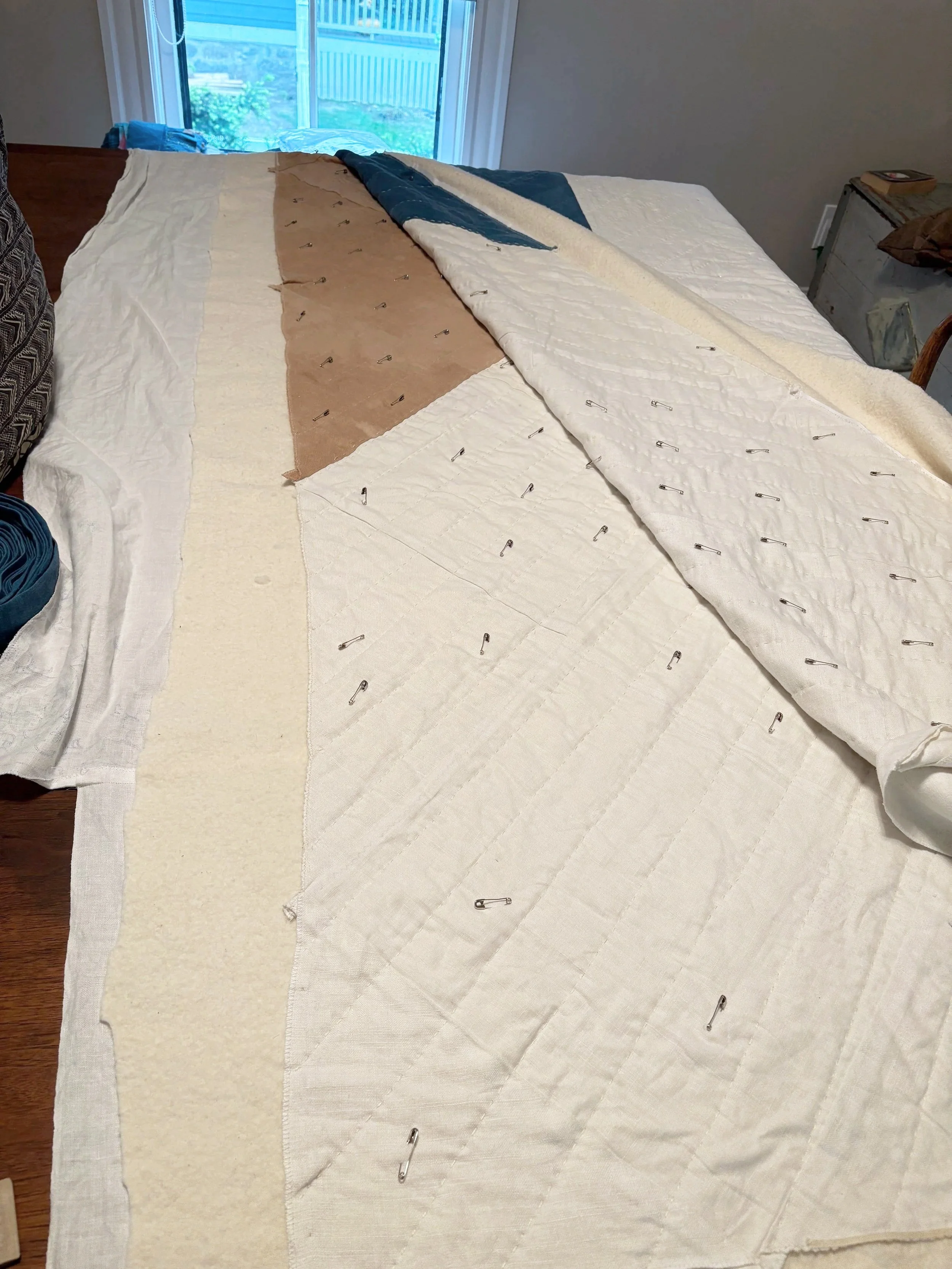
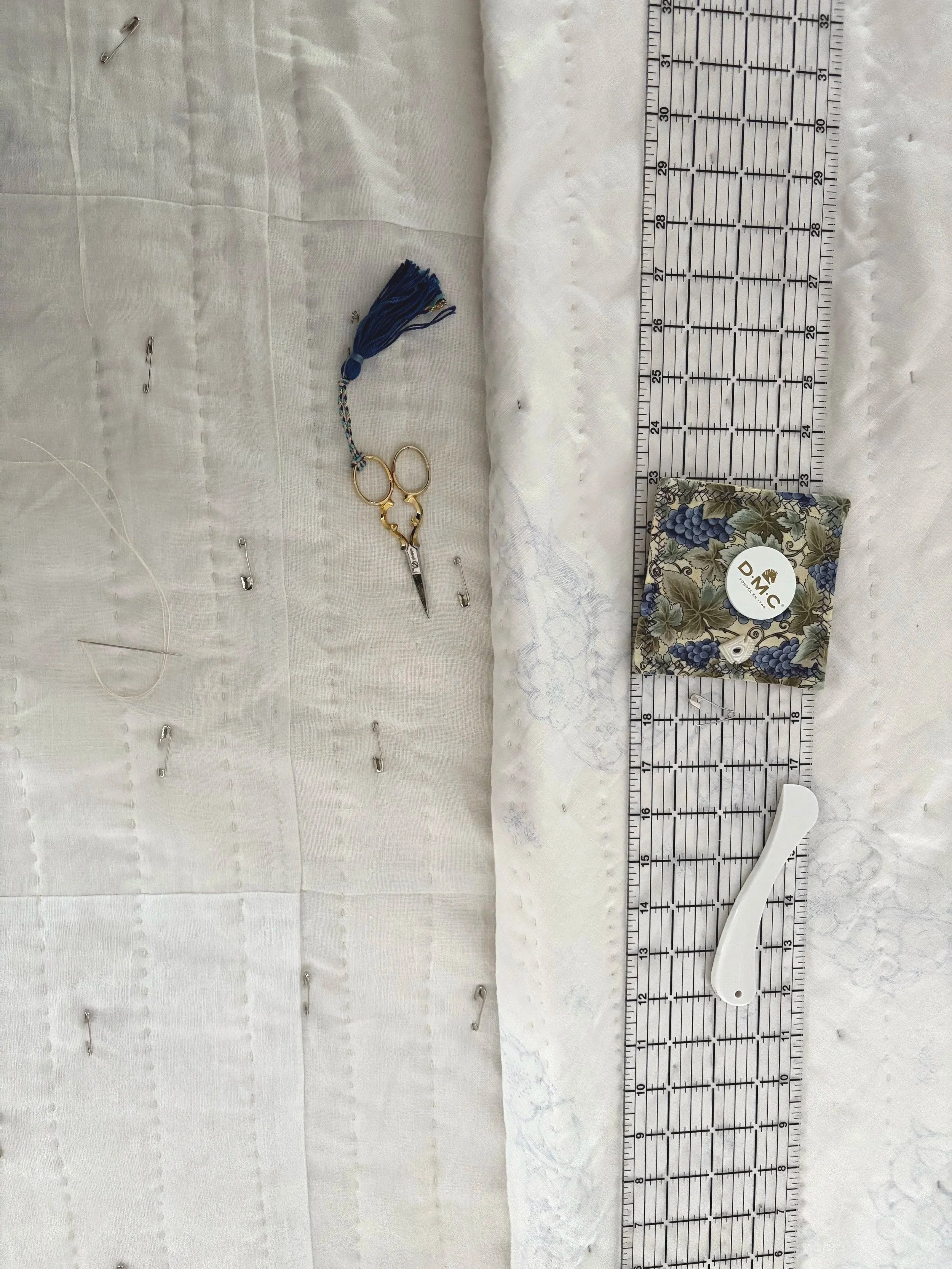
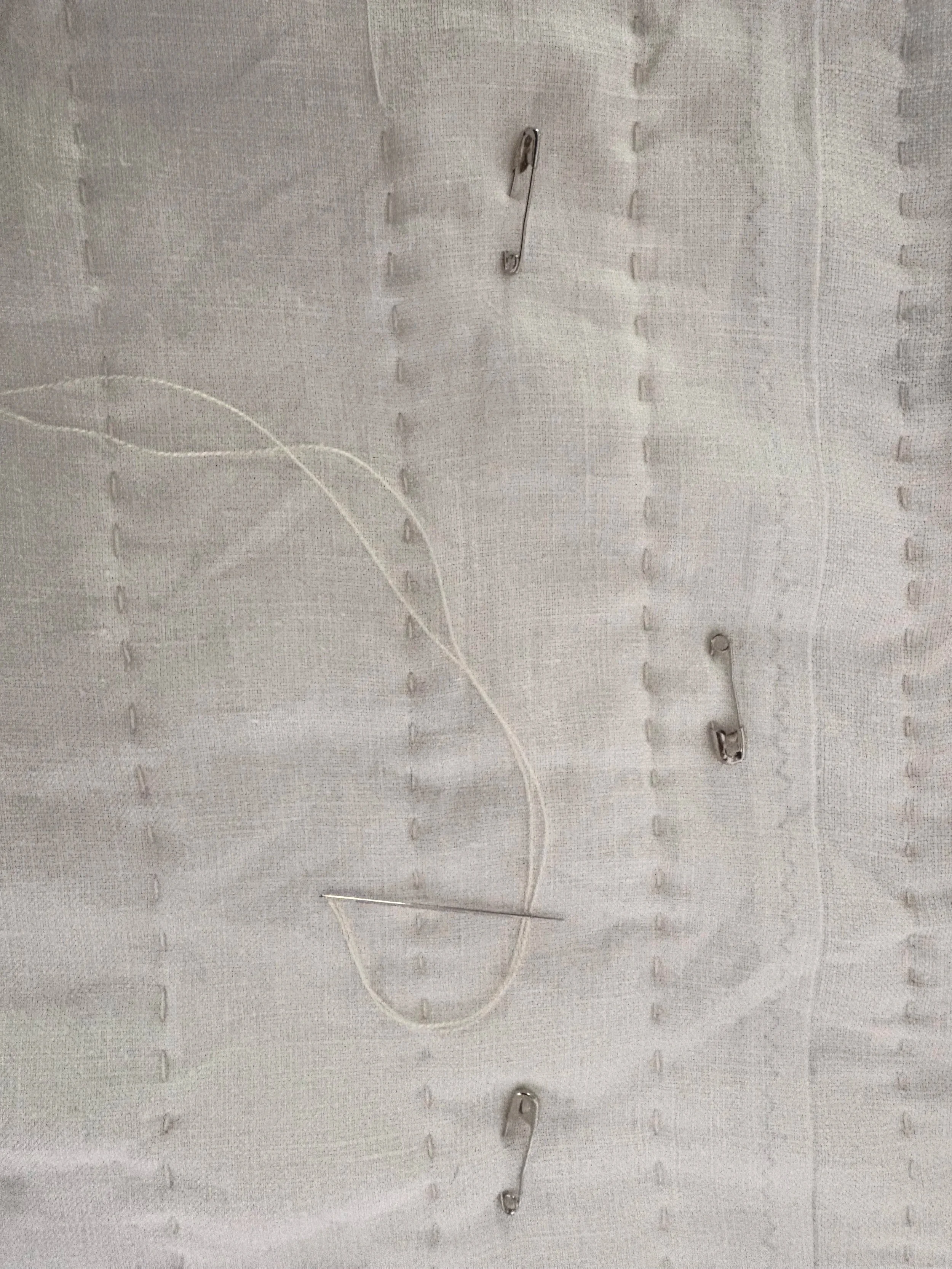
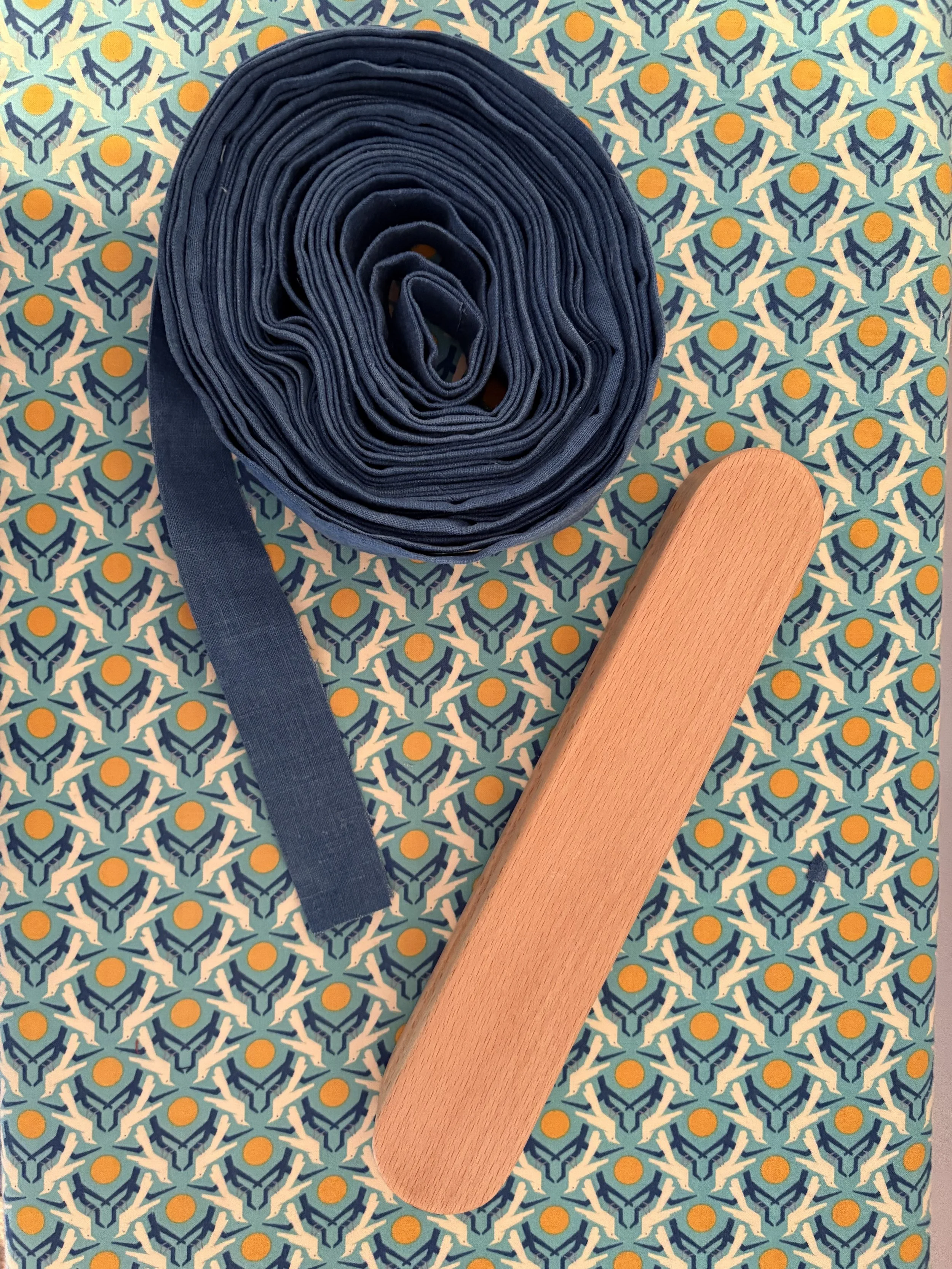
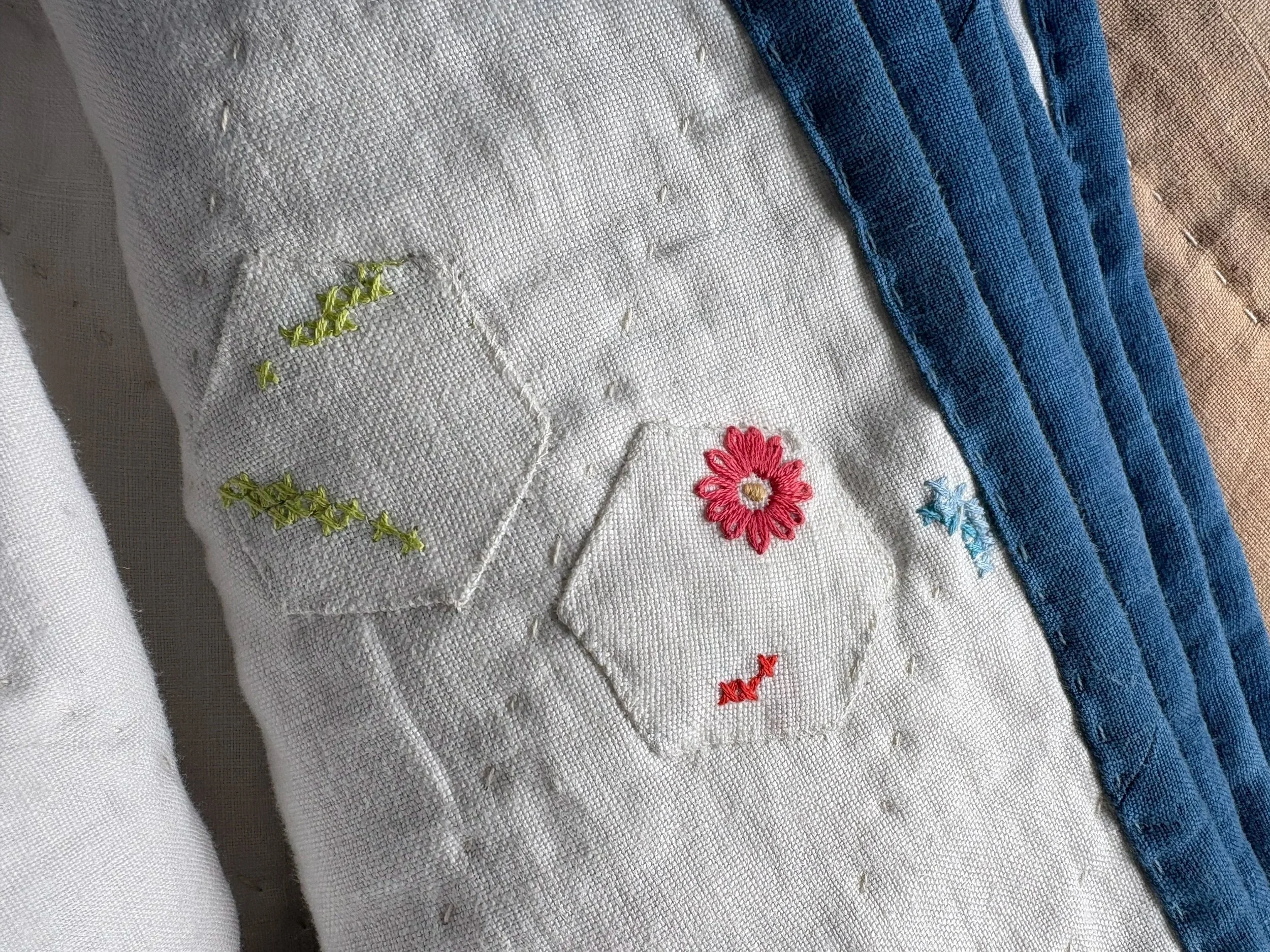
Since the linen was composed of vintage tablecloths someone had started to cross stitch here and there. I really wanted to incorporate those into the quilt, an homage to the kindred spirit who didn’t finish their project (similar to me when I prioritized my toxic job before myself) so I included them on the back of the quilt, which I created from patchwork of larger pieces of linen.
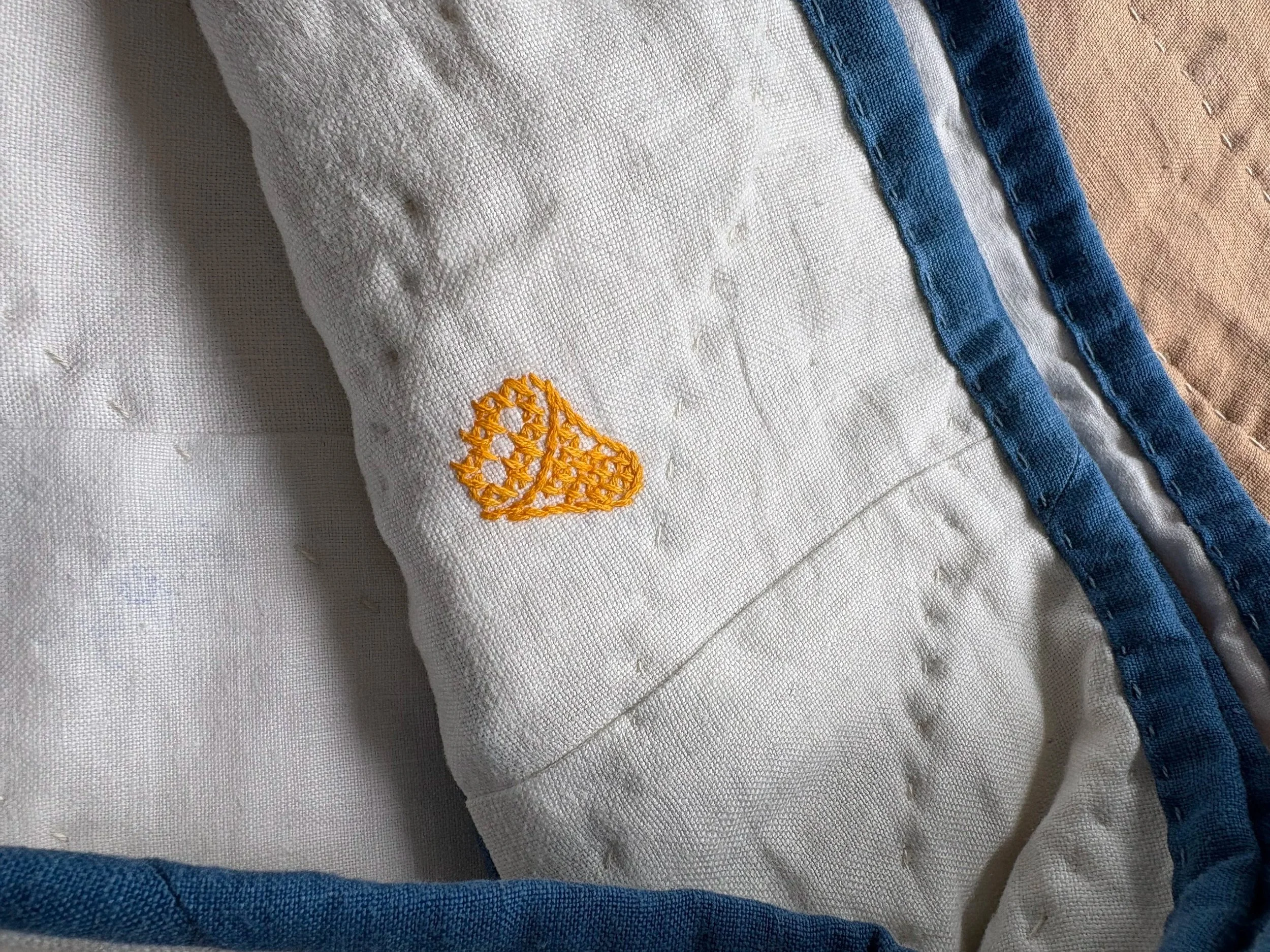
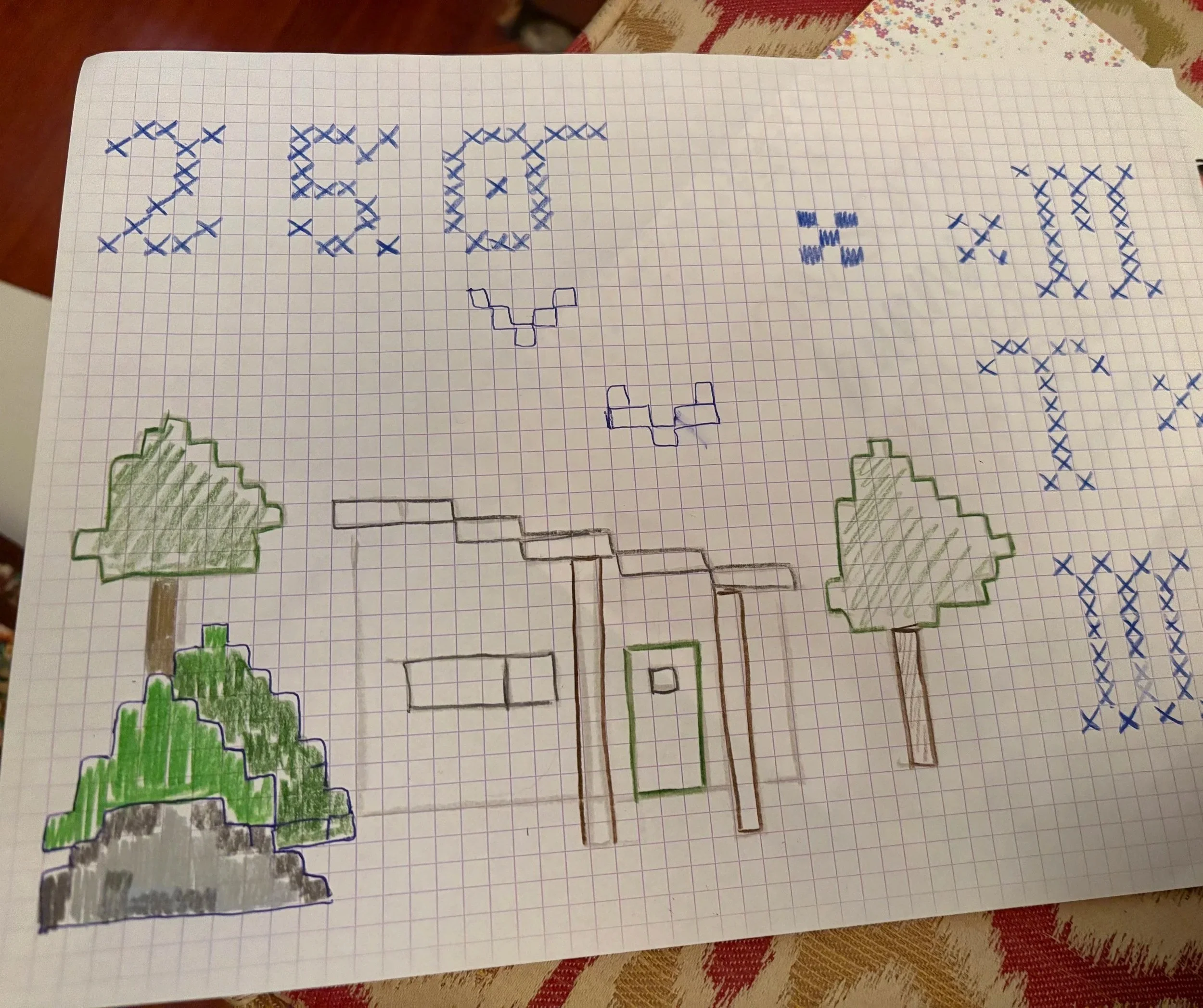
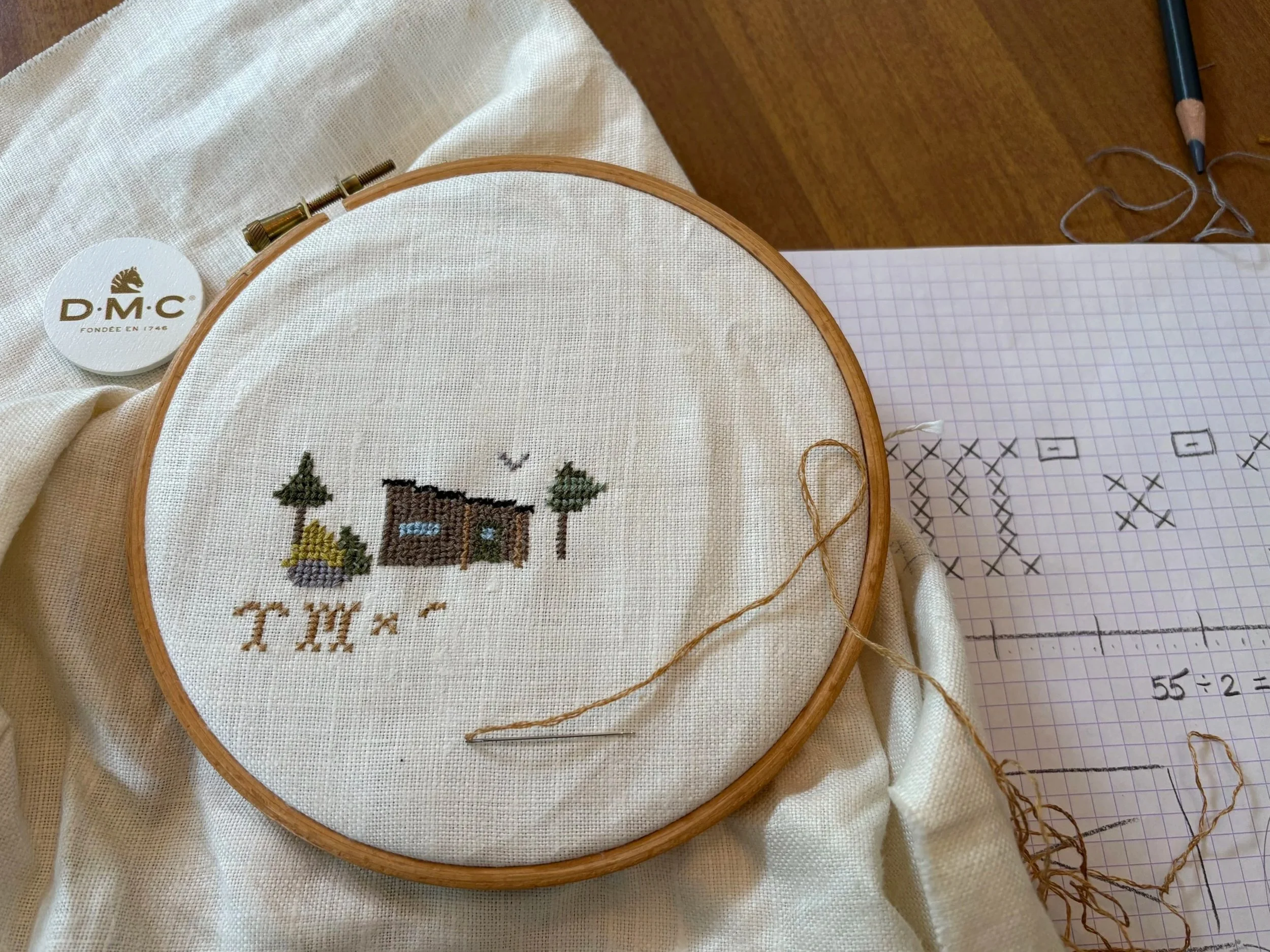
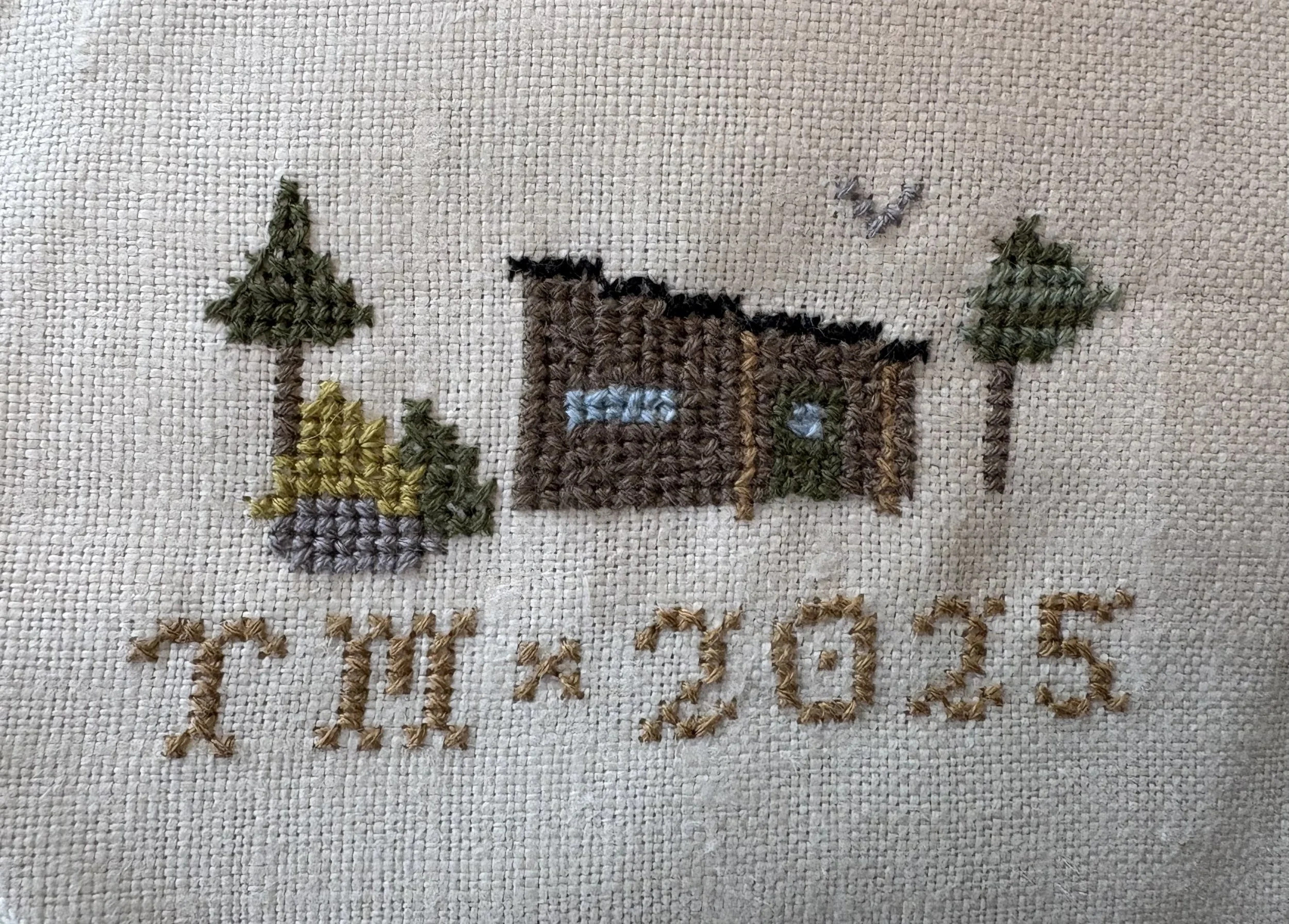
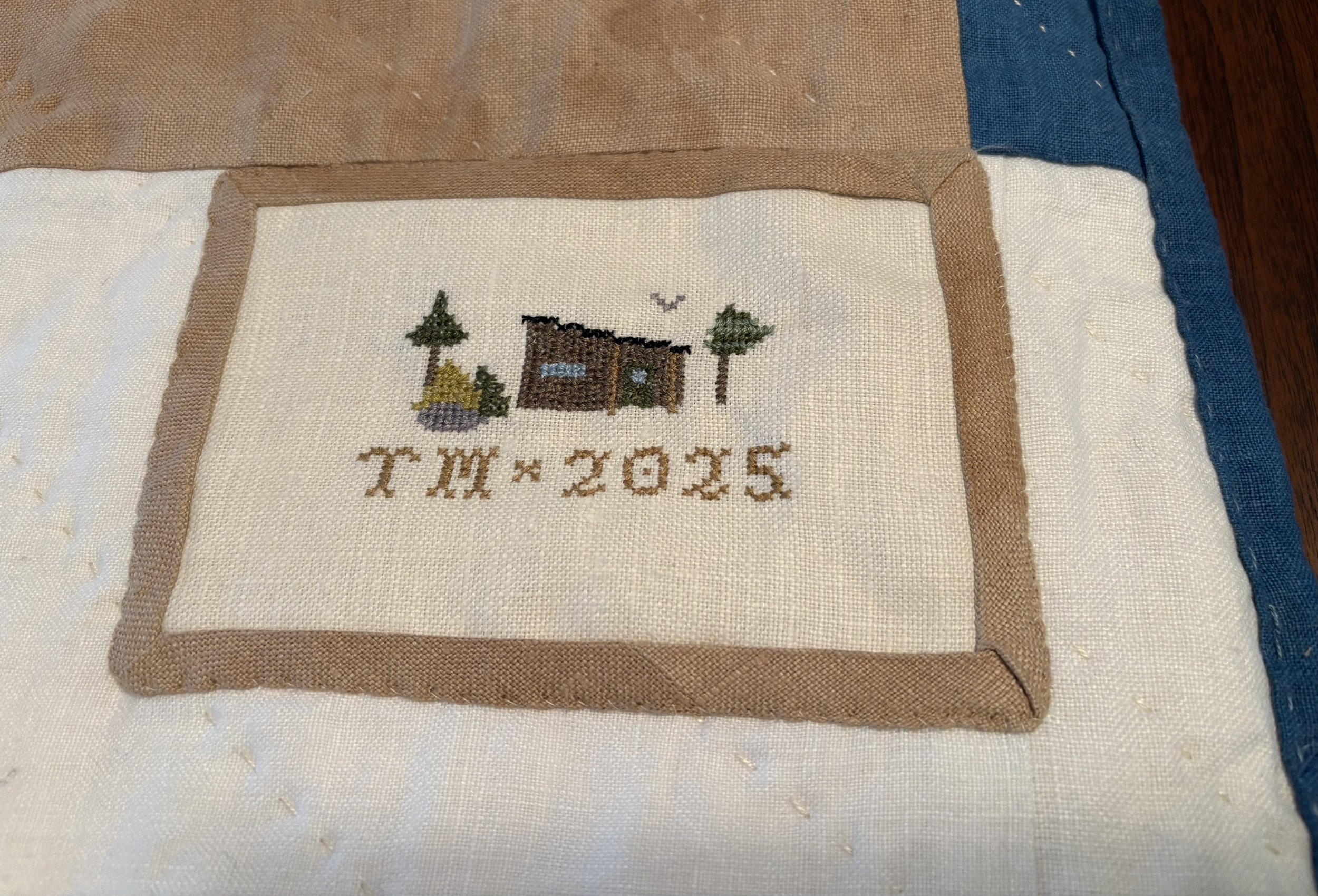
Inspired by my kindred spirit’s cross stitch elements, I designed my own cross stitch to make a quilt label with my initials, the year and a tiny icon of my home in Maine, where the quilt now lives. :) So kindred spirit, wherever you are thank you!
Finished linen quilt in my bedroom in Maine
Overall it was a really satisfying project. I learned how to indigo dye and tea dye fabric, how to slow down and hand quilt, how to construct a quilt, and how to cross stitch (which I learned is not for me btw…) and now I have an amazing soft beautiful coverlet!
So for a few dollars at a yard sale, I got a lot out of this project. I would definitely recommend using linen for quilts. And repurposing fabric feels good and is good for the planet. :)